
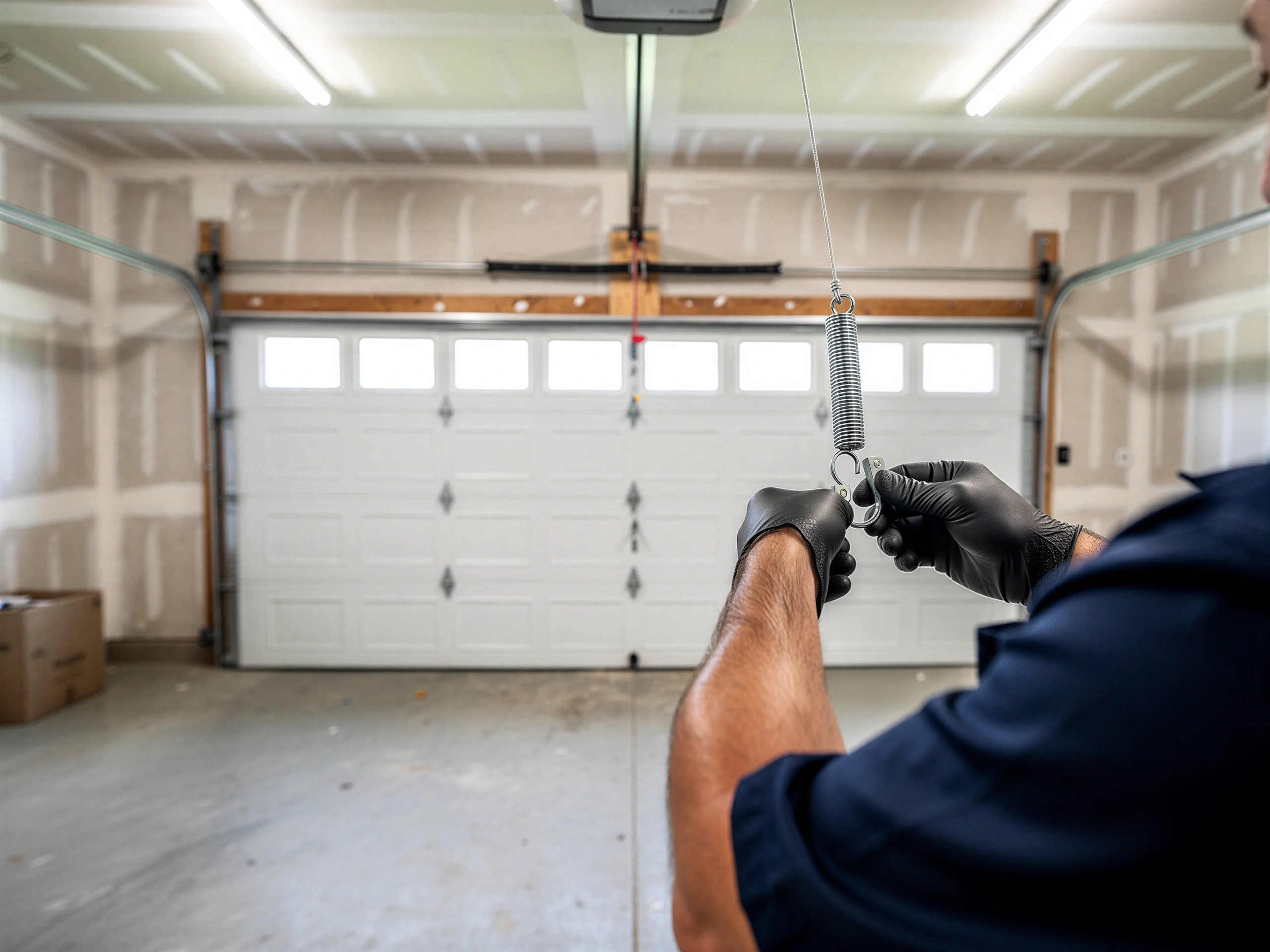
Prior Lake, MN
Garage Door Spring Repair Around Prior Lake
Broken torsion spring on a house built in the 1980s or 90s? We fix snapped and worn springs across Prior Lake and the surrounding service area, cold-climate steel included.
What Causes It Around Here
Most of the houses in this service area went up between 1964 and 2005, with the typical build year landing around 1989. That one fact explains most of the spring calls we take. A torsion spring is rated for a set number of open-close cycles, usually somewhere around 10,000, and a door installed during that build boom has had three decades to burn through that rating. We cover 27 named areas built mostly in that same 1980s-90s wave, so the failure pattern repeats house after house: same spring size, same hardware, same age, same break.
Cold is the other half of it. Winters here sit in the severe end of the cold climate band, and that kind of temperature swing is hard on wound steel. Metal contracts in the cold, which adds tension to a spring that's already near the end of its life, and that's usually the push that turns a slow fray into a sudden snap - often on the coldest morning of the week, which is also the worst morning for it to happen.
We're not guessing at this. It's the same pattern across the owner-occupied housing stock we see job to job: a spring sized and wound for a house built in the late 80s, run through thirty-plus winters, finally letting go.
What the Fix Involves
A broken torsion spring gets replaced, not patched - there's no reliable way to repair a snapped coil, and a welded or spliced spring is a safety risk we won't put our name on.
Measuring spring specifications
We measure the shaft, the wire gauge, and the wind direction off the existing hardware, since torsion springs on 1980s and 90s builds vary enough in those measurements that swapping in the wrong one just shortens the next spring's life.
Replacing matched spring pairs
Most jobs are a single broken spring on a double door, though plenty of these houses run two matched springs, and if one went, the other is usually close behind from the same age and cycle count. We'll say so plainly if that's the case rather than send you back out for a second call in six months.
Unusual size special orders
One honest limitation: we stock the common shaft and wire sizes that match the housing stock out here, but an unusual or discontinued spring size on an older door can mean a short wait on a special order. We'll tell you up front if that's what you're looking at instead of guessing and making you wait to find out.
The Symptom
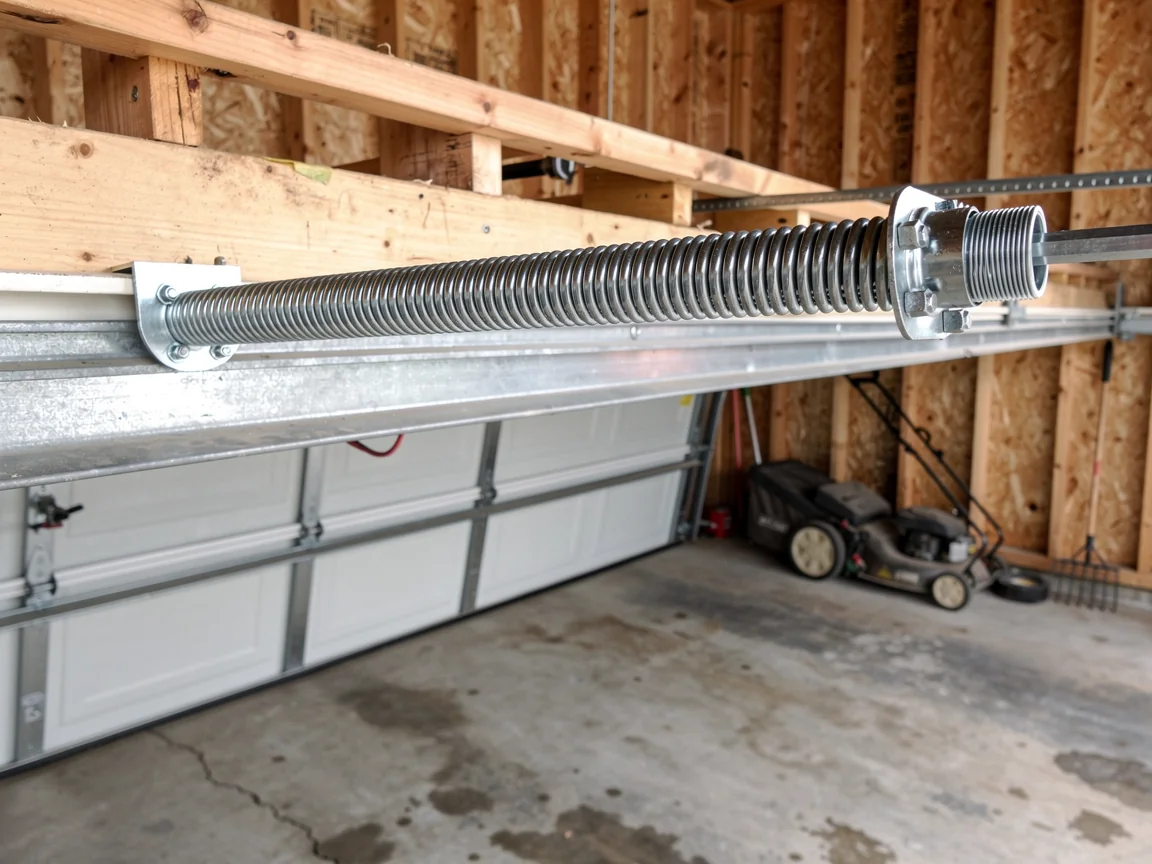
The door won't budge, or it only moves partway and then stalls - that's the giveaway. If you look up at the shaft above the door and see a gap in the coil where the spring has split into two pieces, that's a snapped torsion spring, full stop.
Flat bang from garage
Sometimes you'll hear it before you see it: a flat bang from the garage, often early morning when the cold has already added tension to a spring that was already thinning.
Opener straining from spring
An opener that strains, reverses, or trips its own safety sensor on a door that used to run quiet is often a spring on its way out rather than a motor problem - the opener isn't built to lift the full weight of the door on its own, and once the spring stops carrying its share, the motor takes the load and tells on itself.
Avoid forcing the door
Don't try to force the door up by hand or with the opener once a spring has gone. The door is heavier than it looks without that spring doing its job, and the remaining hardware is under uneven strain.
The Complications
A broken spring rarely travels alone on a house this age. Cables, rollers, and the drums at each end of the shaft all share wear with the spring, and on a door installed in that same 1980s-90s build window, we often find a frayed cable or a flat-spotted roller sitting right next to the spring that just failed.
Replacing alone isn't enough
Replacing the spring and ignoring the rest just moves the next call a few months down the road. Track alignment is the other thing worth checking while we're in there. A door that's been running on a weakening spring for months sometimes starts riding the track unevenly, since the opener and the remaining tension are no longer balanced the way the door was built to run.
No unnecessary upselling
We'll flag it if we see it, but we won't talk you into work the door doesn't need - if the rest of the hardware is sound, we replace the spring and leave it at that.
Parts across service area
We work across the full service area - Jackson and Credit River five miles out, Carver and Chanhassen further on, out through Waconia, Minnetrista, and the rest of the 27 areas we cover - so the parts and sizing experience carries from one job to the next.
Questions
Common questions
How do I know if it's the spring and not the opener?
Pull the manual release cord with the door closed and try lifting it by hand. A door with a healthy spring lifts fairly easily and holds a few feet off the ground on its own. If it's dead weight or falls back down, the spring has lost its tension or broken - that's a spring problem, not an opener problem.
Why did my spring break on such a cold morning?
Cold steel is less forgiving under load. Winters here run in the severe end of the cold band, and that temperature swing adds tension to a spring that's already near the end of its cycle life. A spring close to failing anyway will often go on the coldest stretch of the week rather than a mild afternoon.
Is it worth fixing an old spring setup or replacing the whole system?
If the door and track are otherwise sound, a spring swap is the right call and far cheaper than replacing the whole door. We'll only recommend more if the cables, rollers, or track show wear from the same age and cycles - we'd rather tell you that up front than have you call back in a few months.
Explore more
Explore More Services In Prior Lake, MN
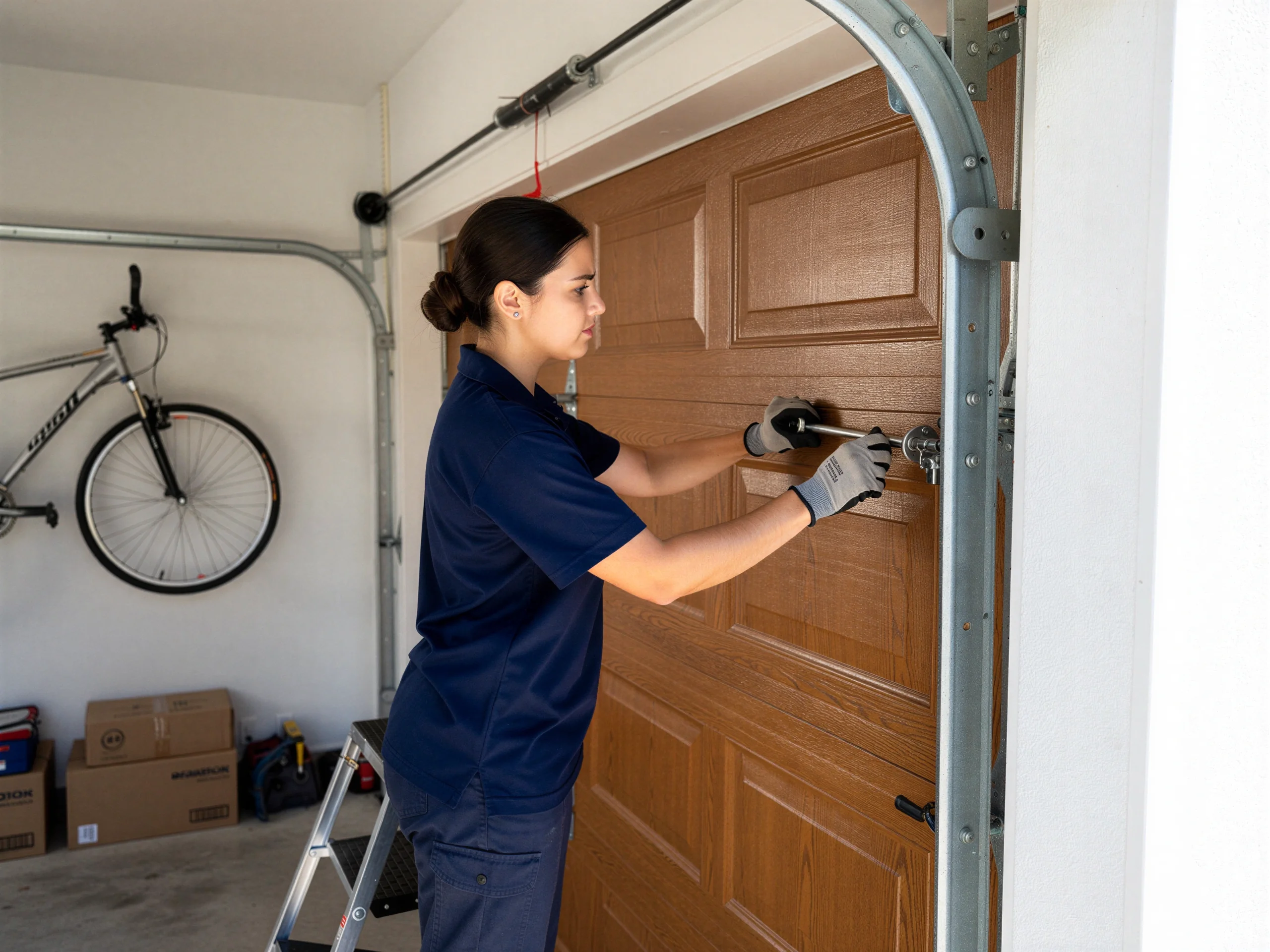
Garage Door Repair in Prior Lake, MN
Torsion springs fail early in Prior Lake's 1980s-era homes once cold weather sets in. Learn more →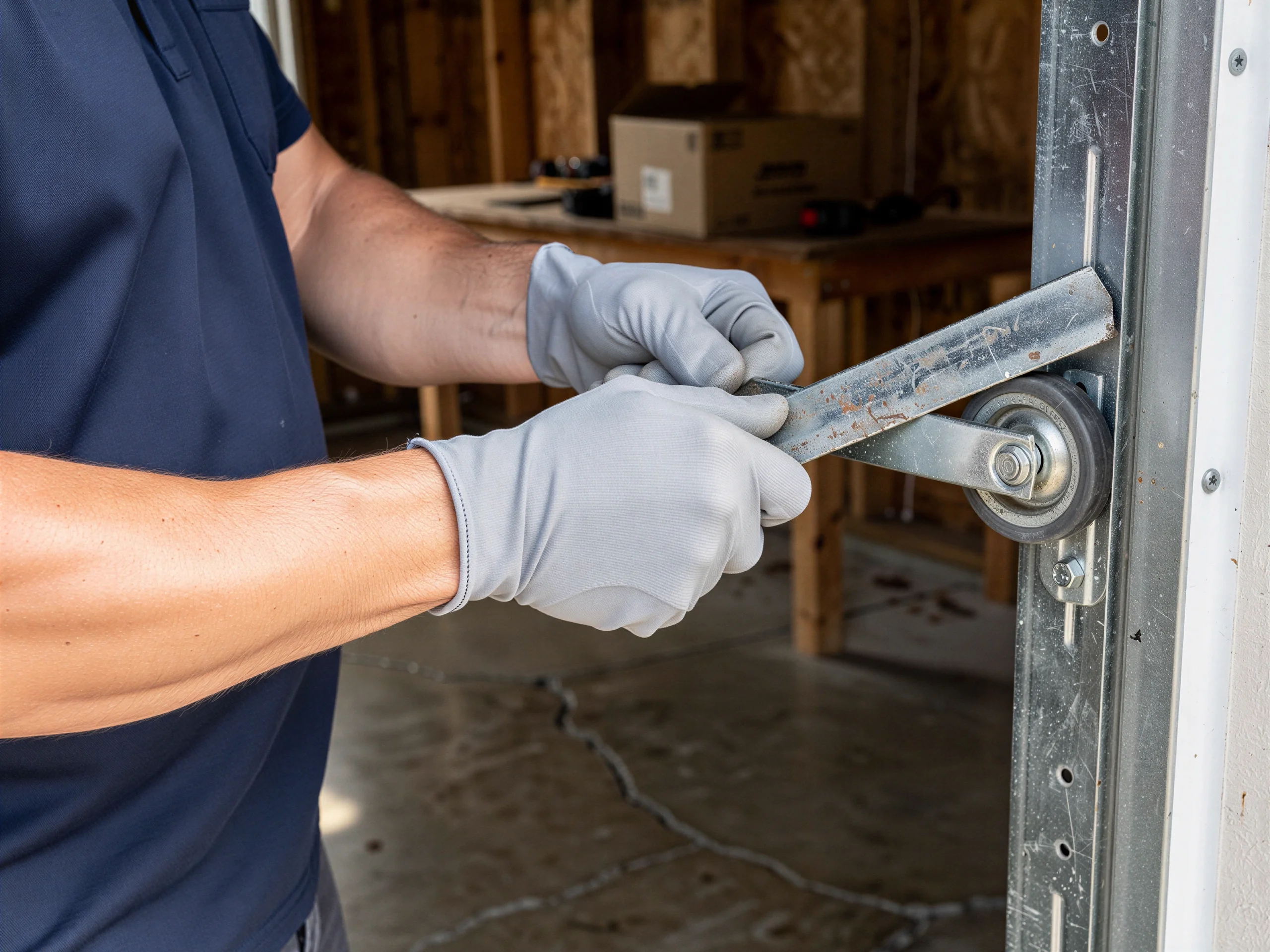
Why Garage Doors Jump Track in Prior Lake Homes
Off-track garage doors are common in Prior Lake's older homes, especially in cold Minnesota winters. Learn more →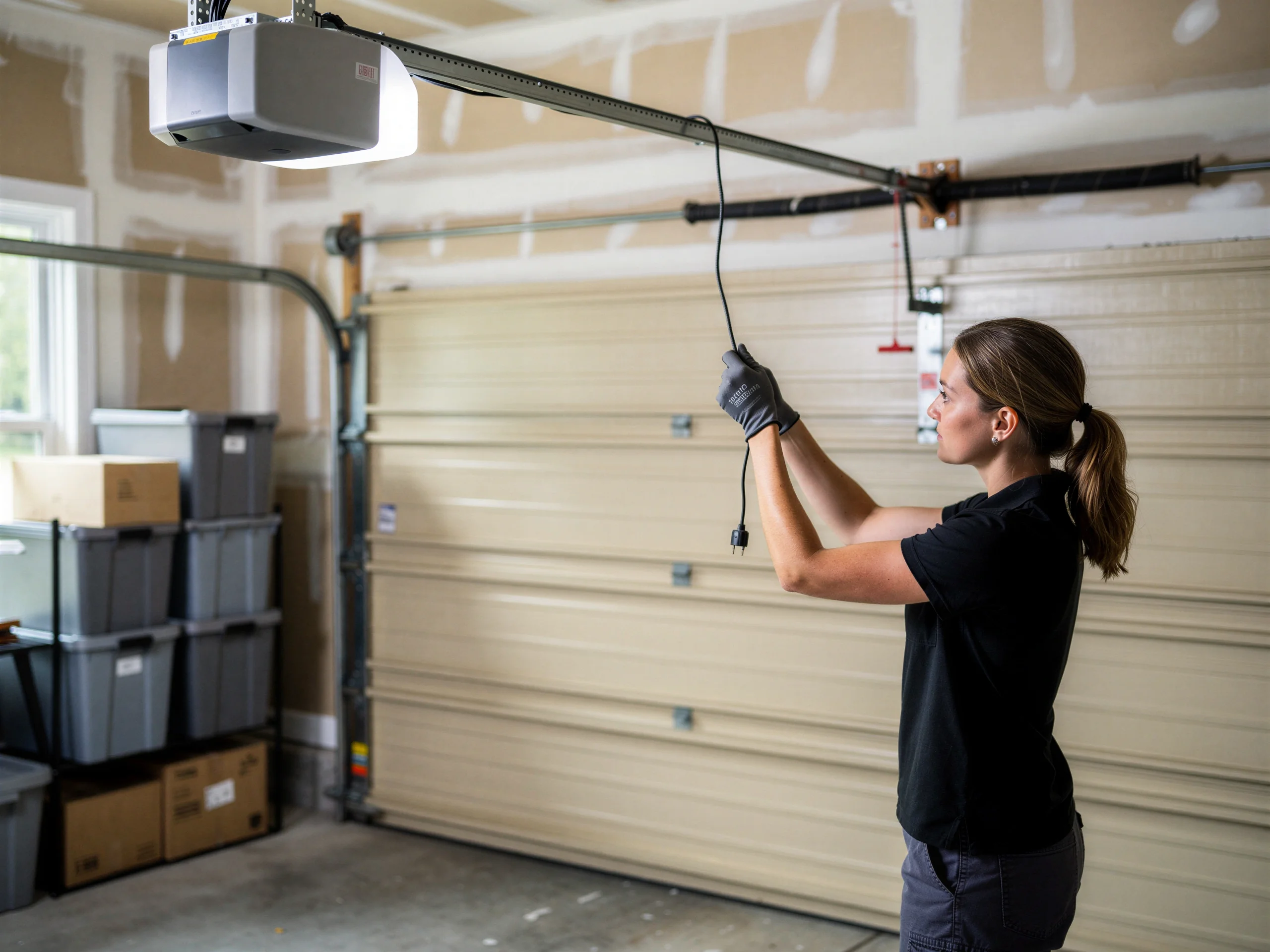
Garage Door Opener Installs for Prior Lake Area Homes
Opener installs for Prior Lake homes built 1964-2005, matched to cold-climate loads and the original hardware still on most doors in the area. Learn more →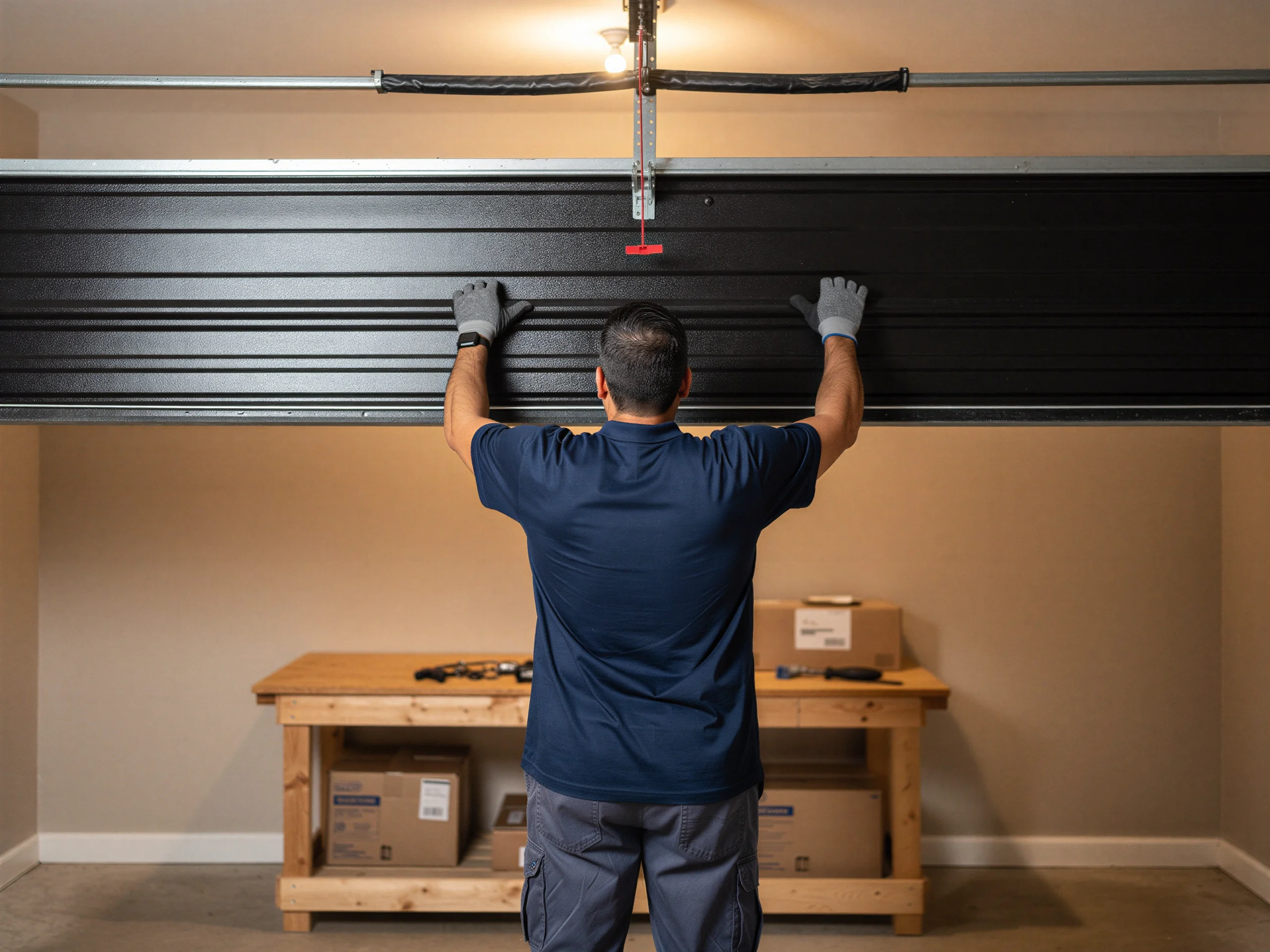
Garage Door Service for Prior Lake's 1980s and 90s Housing Stock
Garage door service for Prior Lake homes built 1964-2005, where cold-climate spring fatigue and original hardware are the most common calls we get. Learn more →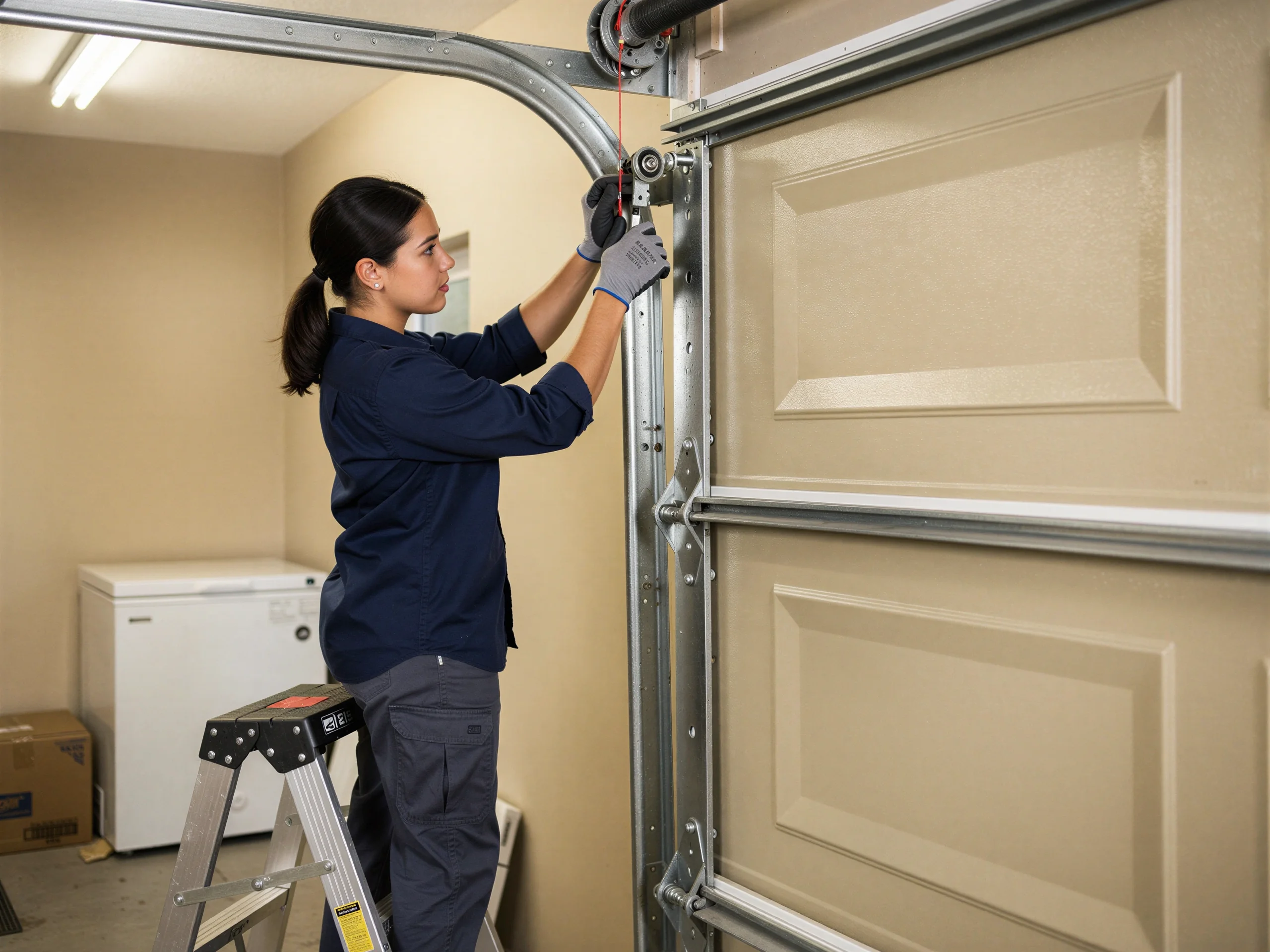
Garage Door Roller Replacement in Prior Lake, MN
Rollers on Prior Lake's 1964-2005 housing stock grind and jump once cold hits. Learn more →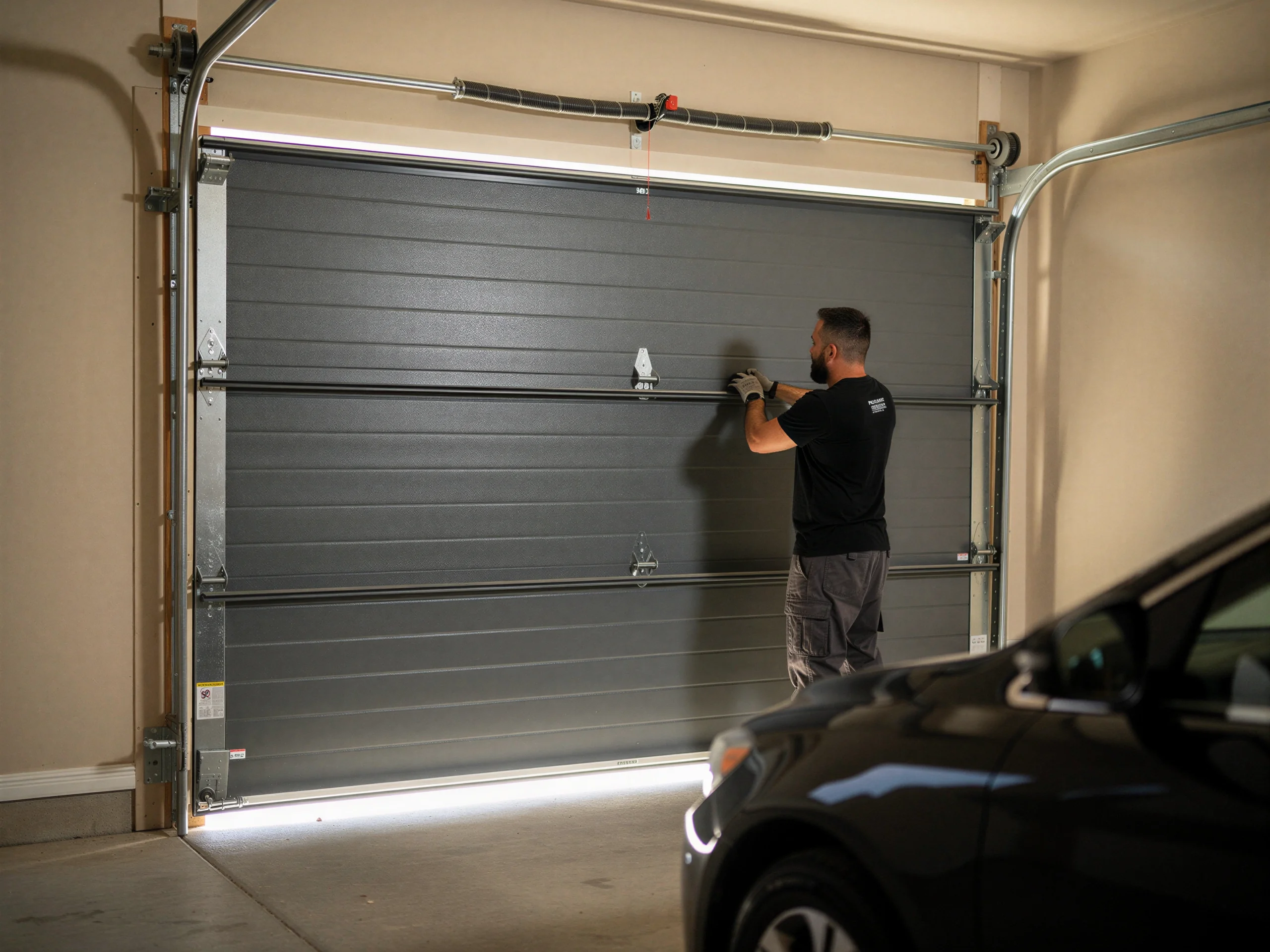
Garage Door Installation Built for Prior Lake Winters
New garage door installation in Prior Lake, MN, built for homes from 1964-2005 and Minnesota's cold winters. Learn more →Ready when you are
Broken garage door spring in Prior Lake?
Prior Lake Garage Door Pros repairs and installs garage doors, springs and openers in Prior Lake, MN and the surrounding area.