Local detail
The Common Mistake
The mistake we see most in Prior Lake is calling for a new opener when the real problem is 30-year-old hardware still hanging on. Most houses here went up between 1964 and 2005, with the bulk of the stock built in the 1980s and 90s across the neighborhoods spread through this service area. That means a lot of original torsion springs, original track, and first-generation chain-drive openers are still in these garages, never swapped out because they never fully quit - they just got noisy, slow, or stiff. Homeowners read that as "opener is dying" and replace the one part that's easy to see, while the spring underneath is the one actually rated for a finite number of cycles and is long past due. We'd rather tell you the spring is the real job and the opener has another decade in it than sell you a new unit that masks the same hardware problem. The fix isn't always the expensive part. Sometimes it's the cheap part that everyone skips because it's harder to diagnose.
The area
When to Call Someone
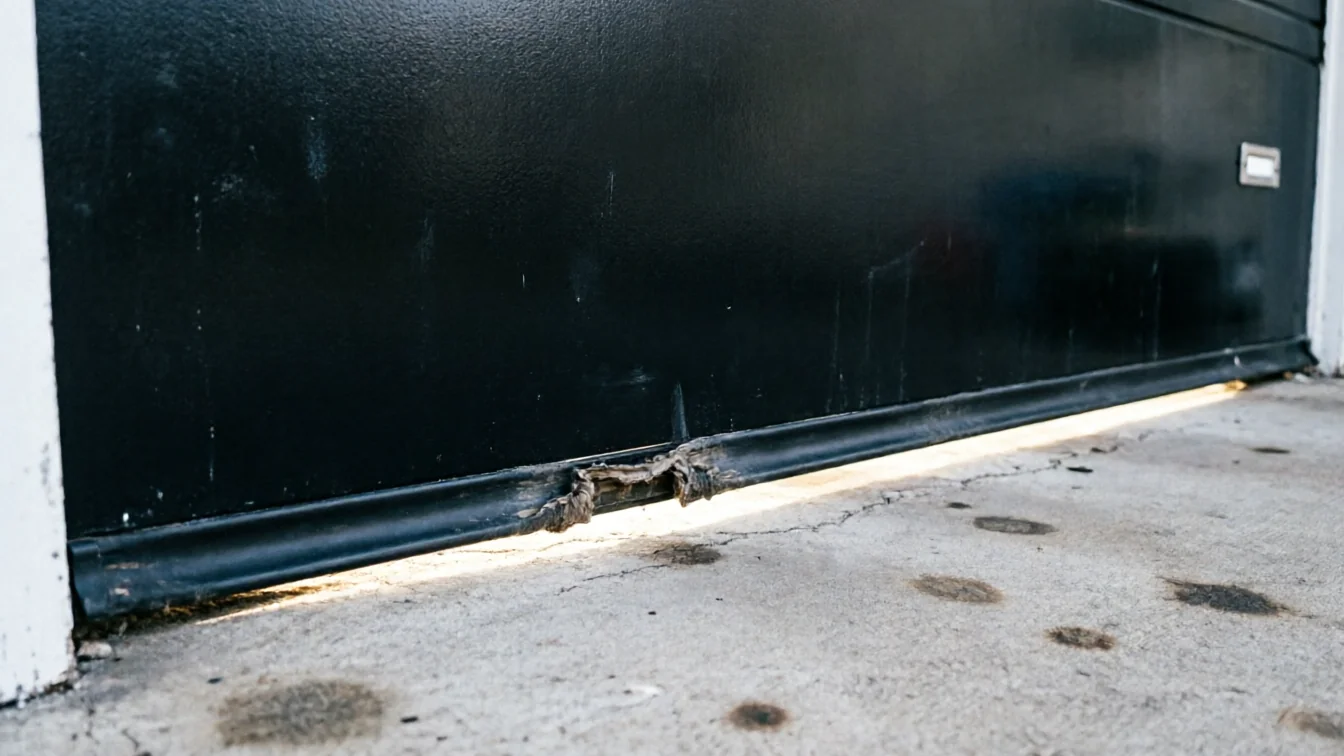
Call before the door fails all the way, not after. If your house falls in that 1980s-90s build window that covers most of Prior Lake, and the door has started dropping unevenly, grinding on the way up, or needs a shove to get moving in the cold, that's a spring or roller problem, not something that gets better. A door that won't stay up on its own once you lift it manually has a spring that's lost tension - that's not a maintenance item, that's a now item, because the next failure point is the cable or the opener trying to do a spring's job and burning out. We don't recommend waiting through a full winter on that. Minnesota cold makes grease stiffen and metal contract, which turns a marginal spring or track into a failed one faster than it would fail in a mild climate. If the door is original to a house built in the late 80s or early 90s, assume the spring is near or past its rated life regardless of how it looks.
What we find
What Is Going On
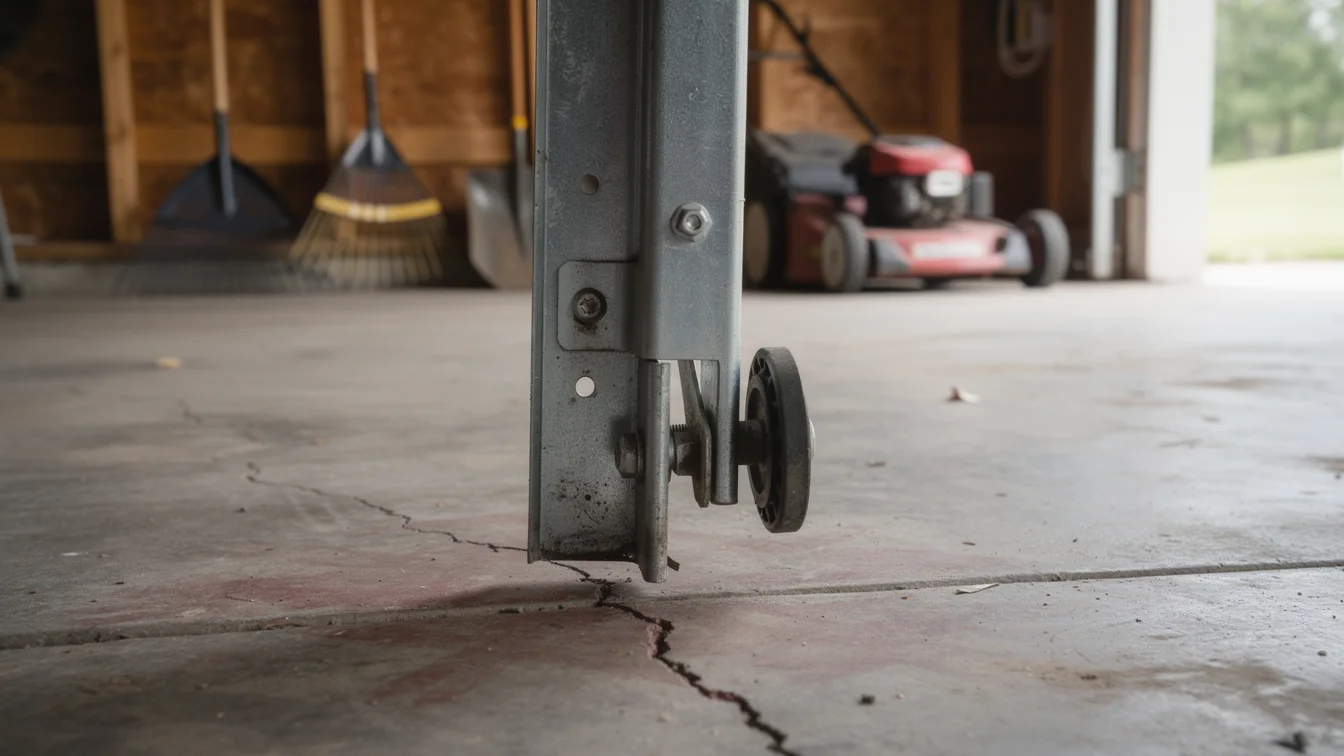
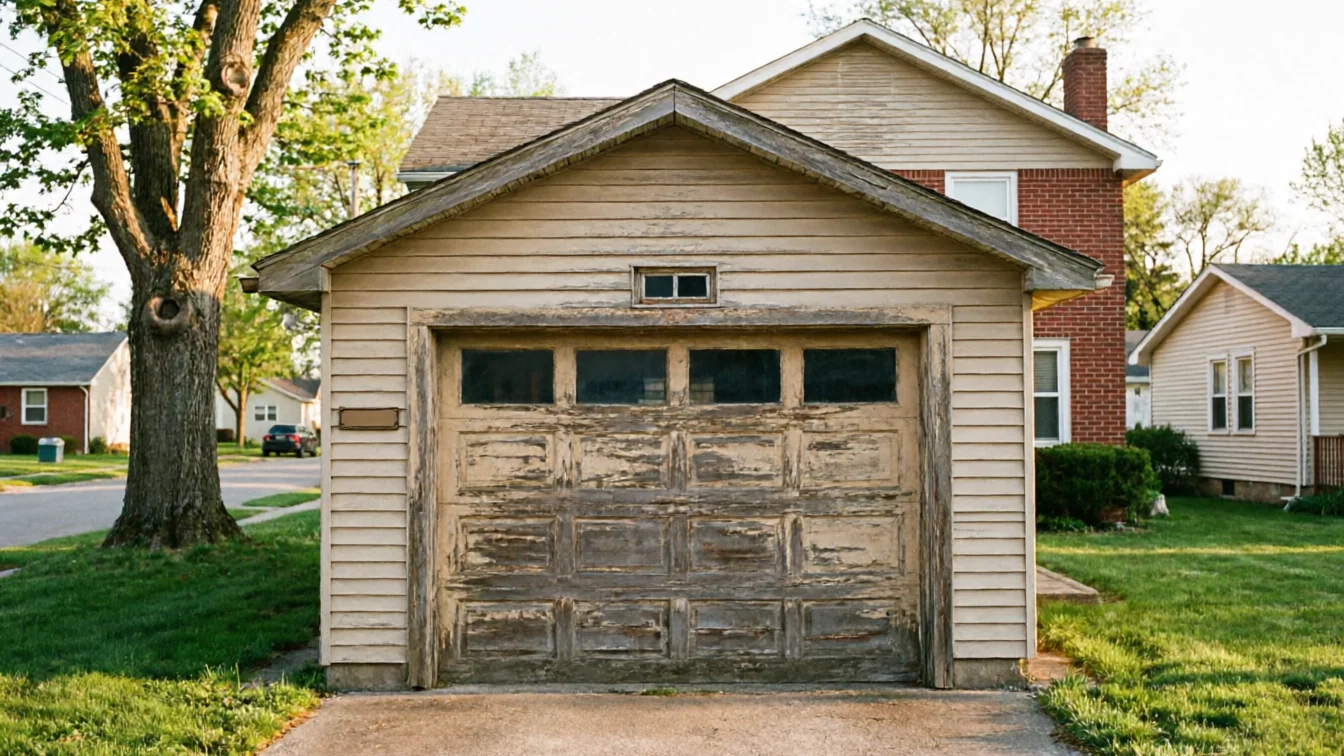
Garage doors in this area are mostly original installs from a narrow build era - 1964 through 2005, with the median right around 1989. That matters because torsion springs are rated in cycles, not years, and a door opening four times a day for over 30 years has usually burned through its rated life more than once. Rollers in these older setups are often the original steel or early nylon, which wear grooves into the track over decades and start binding exactly where the door needs to move smoothest - right at the top of the arc. None of this means the door is junk. A steel panel door from this era, with the frame still square and the track still straight, is often a better candidate for a spring and hardware rebuild than for full replacement, since the panel itself isn't the part doing the failing. We'll tell you straight when the track is bent enough that hardware work won't fix it - that's the point where replacement actually makes more sense than another repair.
How we work
How Local Conditions Play In
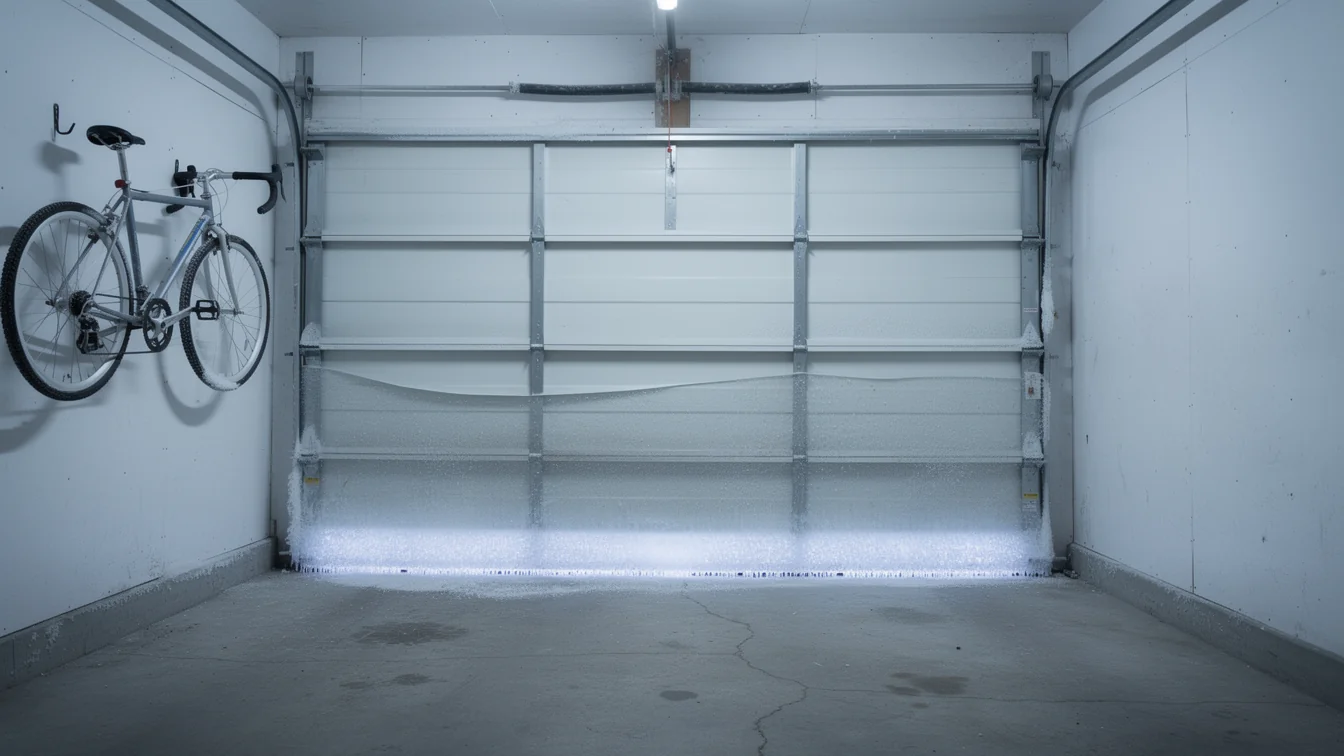
This area sits in a cold, severe winter climate, and that changes what "worth fixing" means here compared to a milder region. Steel contracts in deep cold, which tightens tolerances on tracks and hinges that were already worn from 30-plus years of cycles. Lubricant that's fine in July turns gummy in January, which is why a door that worked all fall suddenly won't open on the first hard-freeze morning. That's also why a repair that would hold for years in a warmer climate sometimes only buys a season here if the underlying hardware is original to a house built in the 80s or 90s. We factor that into the call: if the springs and rollers are original and the house is in that build window, we're generally recommending the full hardware rebuild rather than patching one component, because this climate will find the next weak point by next winter.
Talk to a local pro
Garage door trouble in Prior Lake?
Same-day service with honest, upfront quotes.