
Prior Lake, MN
Garage Door Roller Replacement in Prior Lake, MN
Rollers on Prior Lake's 1964-2005 housing stock grind and jump once cold hits. Prior Lake Garage Door Pros replaces worn rollers with steel or nylon sized to the track, serving the whole lake area.
What Causes It Around Here
Most of the houses in this service area went up between 1964 and 2005, with the heaviest run of construction in the 1980s and 90s. That matters for rollers because a lot of those garages still have the steel rollers that shipped with the original opener and track, and steel rollers were never meant to run forever without grease and without complaint.
Cold is the other half of it. This is a severe cold-winter climate, and when the temperature drops the grease inside an old steel roller stiffens up and the metal axle itself contracts slightly inside its sleeve. That's why you hear the grinding start in January, not July - the roller isn't rolling smoothly through the bracket anymore, it's dragging. On nylon rollers from the newer end of that 1964-2005 build window, cold makes the nylon brittle, and brittle nylon chips at the edges instead of wearing evenly. Either way the door starts to hesitate on its way up, and the track picks up flat spots from a roller that's stopped turning and started sliding.
Houses built later in that span, closer to 2000-2005, are more likely to already have nylon rollers with sealed bearings from the factory. Those last longer, but they're not immune - they just fail for a different reason, usually a cracked bearing race rather than bare metal wear.
What the Fix Involves
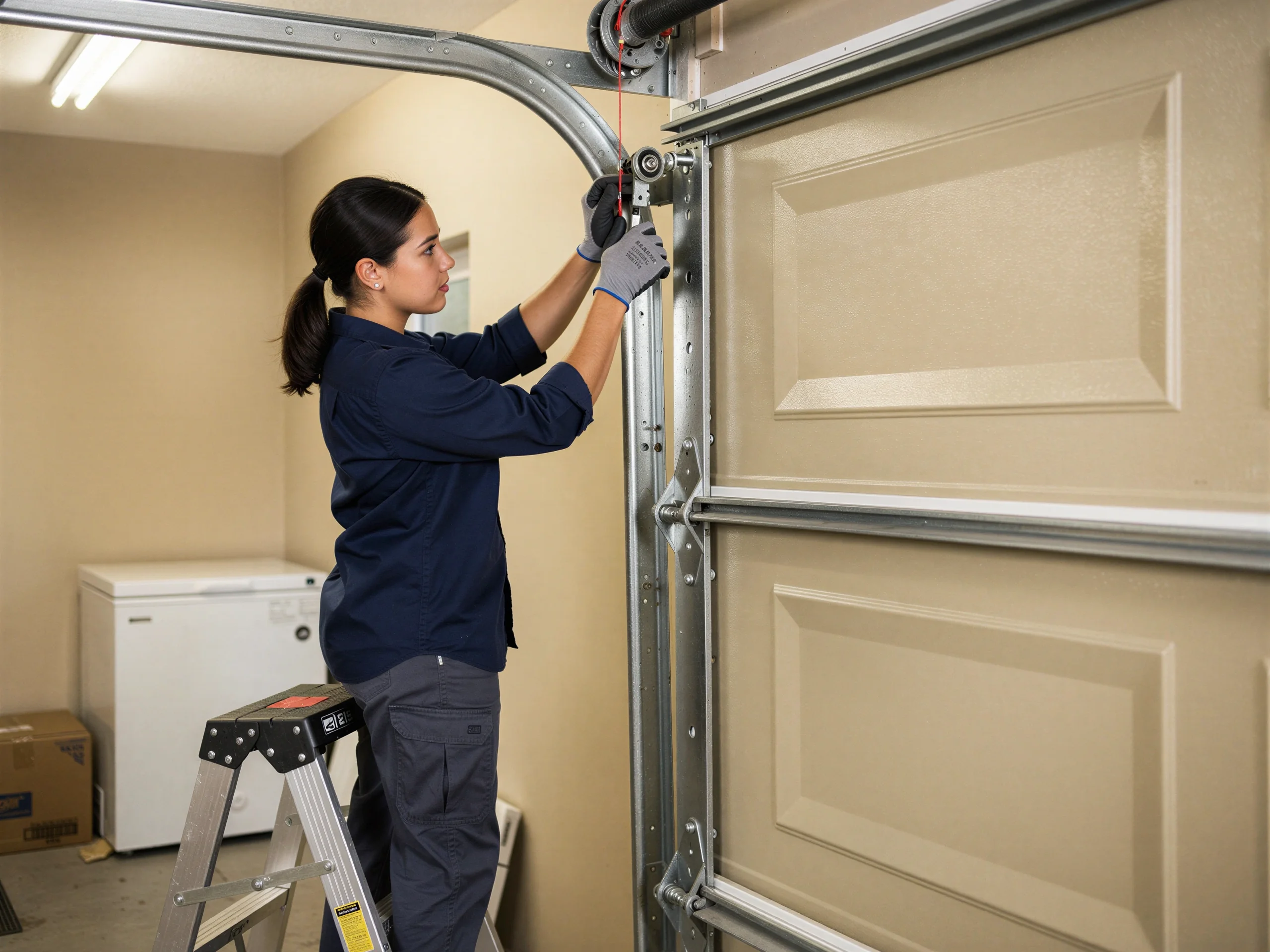
A roller job starts with pulling the door down to where every roller is accessible and checking each one by hand - spin it, look at the stem, look for flat spots or metal shavings on the track.
Whole set or worn rollers
Not every roller on a ten-roller door is bad at the same time, but if two or three are gone, the rest are usually close behind, so we talk through whether to do the whole set or just the worn ones. Replacement rollers come in a few grades: plain steel, nylon with an open bearing, and nylon with a sealed ball bearing.
Sealed nylon for cold
For a cold-climate garage, sealed nylon holds up the longest because there's no exposed grease to stiffen up in January. We match the stem length and diameter to your track - this isn't a universal part, and a roller that's slightly wrong for the bracket will bind within a season.
Checking track for damage
While the door's open for roller work, we check the track for the flat spots or bends that a bad roller usually leaves behind, because a new roller running in a damaged track will wear out again fast. That's the part of the job that actually takes the time - swapping a roller takes a minute, straightening or replacing a bent section of track takes longer.
The Symptom
The first sign is usually a grinding or rattling noise right as the door starts to move, loudest where the door crosses from the vertical track into the curve toward horizontal.
Hesitation at the curve
That curve is where a worn roller fights the hardest, because it's the point where the roller has to hold weight and change direction at the same time. After the noise, you'll notice the door hesitating or jumping slightly at that same spot - almost like it catches on something and then releases.
Roller sliding, not spinning
Some owners describe it as the door 'skipping. If you look closely at the roller while the door moves slowly, a bad one often won't spin at all; it slides along the track instead, which is what leaves the shiny flat-worn patch on the roller's face.
Cold amplifies roller noise
In cold weather the symptom shows up earlier in the door's travel and gets louder, because the stiff grease and brittle nylon are both working against the roller from the first inch of movement. By spring the same door might sound almost normal again, which is why a lot of roller problems get ignored until the following winter makes them worse.
The Complications
A roller job turns into a bigger job when the track has already taken damage from the bad roller - bent rail, pulled-loose brackets, or a section worn enough that a new roller still won't sit flush.
Track replacement labor
At that point you're not just swapping ten small parts, you're replacing a run of track, and the labor changes accordingly. The other complication is timing with parts. Not every roller size is sitting on a shelf; some stems and bearing grades have to be ordered to match an older track, and on a house from the earlier end of the 1964-2005 build range, the bracket spacing can be non-standard.
Parts ordering delays
We'll tell you up front if a part has to be ordered rather than installed the same day - that's the honest limitation here, and it's better to wait a day for the right roller than force one that's close enough and have it fail again in a year.
Spring tension mimics rollers
One thing we won't do is sell a full roller replacement when the real problem is a spring that's lost tension. A door that's hard to lift by hand, roller noise or not, usually points to the spring first, and replacing rollers on a door with a bad spring just means doing the roller job twice.
Questions
Common questions
How many rollers does a typical garage door have, and do I need to replace them all?
Most double doors run ten rollers and single doors run eight. If only one or two show wear, we'll often replace just those, but if several are worn the rest are usually close behind, so most owners choose to do the full set at once rather than call back in six months for the others.
Why do my garage door rollers only get noisy in winter?
Cold stiffens the grease inside steel rollers and makes nylon rollers brittle, so a roller that was quietly wearing out all summer suddenly grinds or chips once temperatures drop. The underlying wear was already there - winter just exposes it.
Can I just lubricate the rollers instead of replacing them?
If the roller still spins freely and the stem isn't bent, lubrication can buy time. Once a roller has a flat-worn face or the bearing has cracked, grease won't fix it - the roller is sliding instead of rolling, and it'll keep damaging the track until it's replaced.
Will a new roller fix a door that's hard to lift by hand?
Probably not by itself. A door that's heavy to lift usually has a spring that's lost tension, not just bad rollers. We check both, because replacing rollers on a door with a weak spring just means the door still won't move right afterward.
Explore more
Explore More Services In Prior Lake, MN
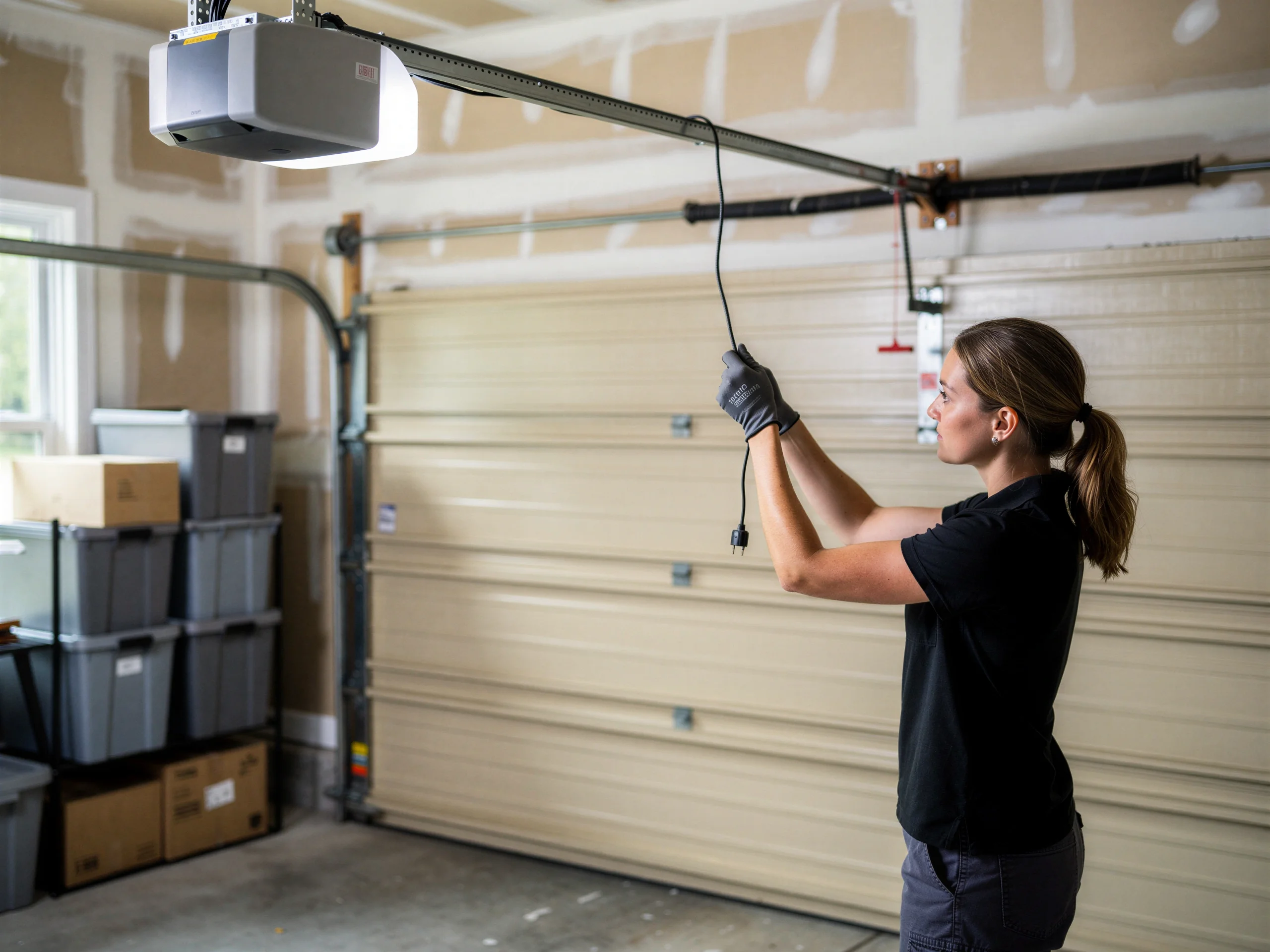
Garage Door Opener Installs for Prior Lake Area Homes
Opener installs for Prior Lake homes built 1964-2005, matched to cold-climate loads and the original hardware still on most doors in the area. Learn more →
Garage Door Service for Prior Lake's 1980s and 90s Housing Stock
Garage door service for Prior Lake homes built 1964-2005, where cold-climate spring fatigue and original hardware are the most common calls we get. Learn more →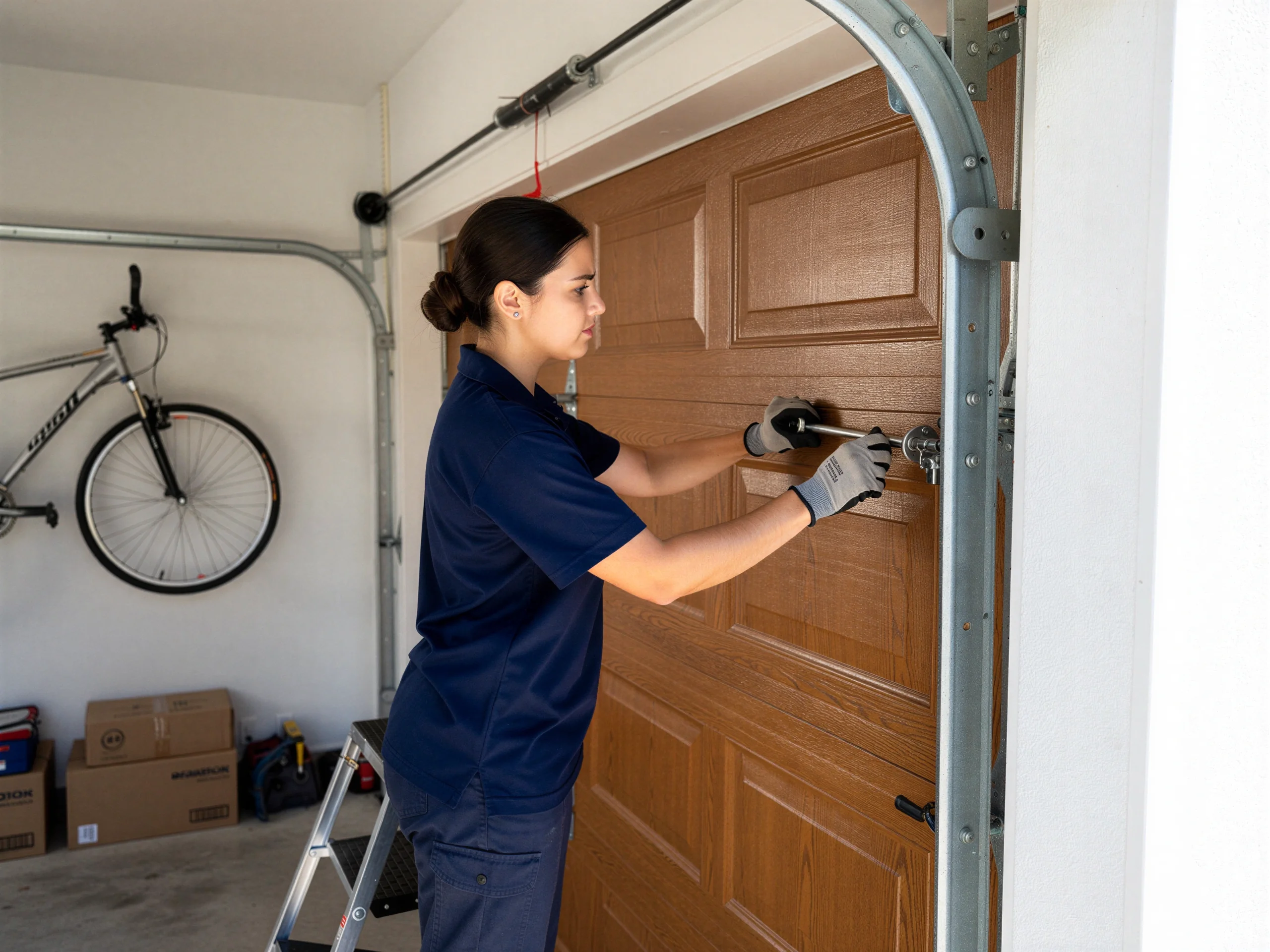
Garage Door Repair in Prior Lake, MN
Torsion springs fail early in Prior Lake's 1980s-era homes once cold weather sets in. Learn more →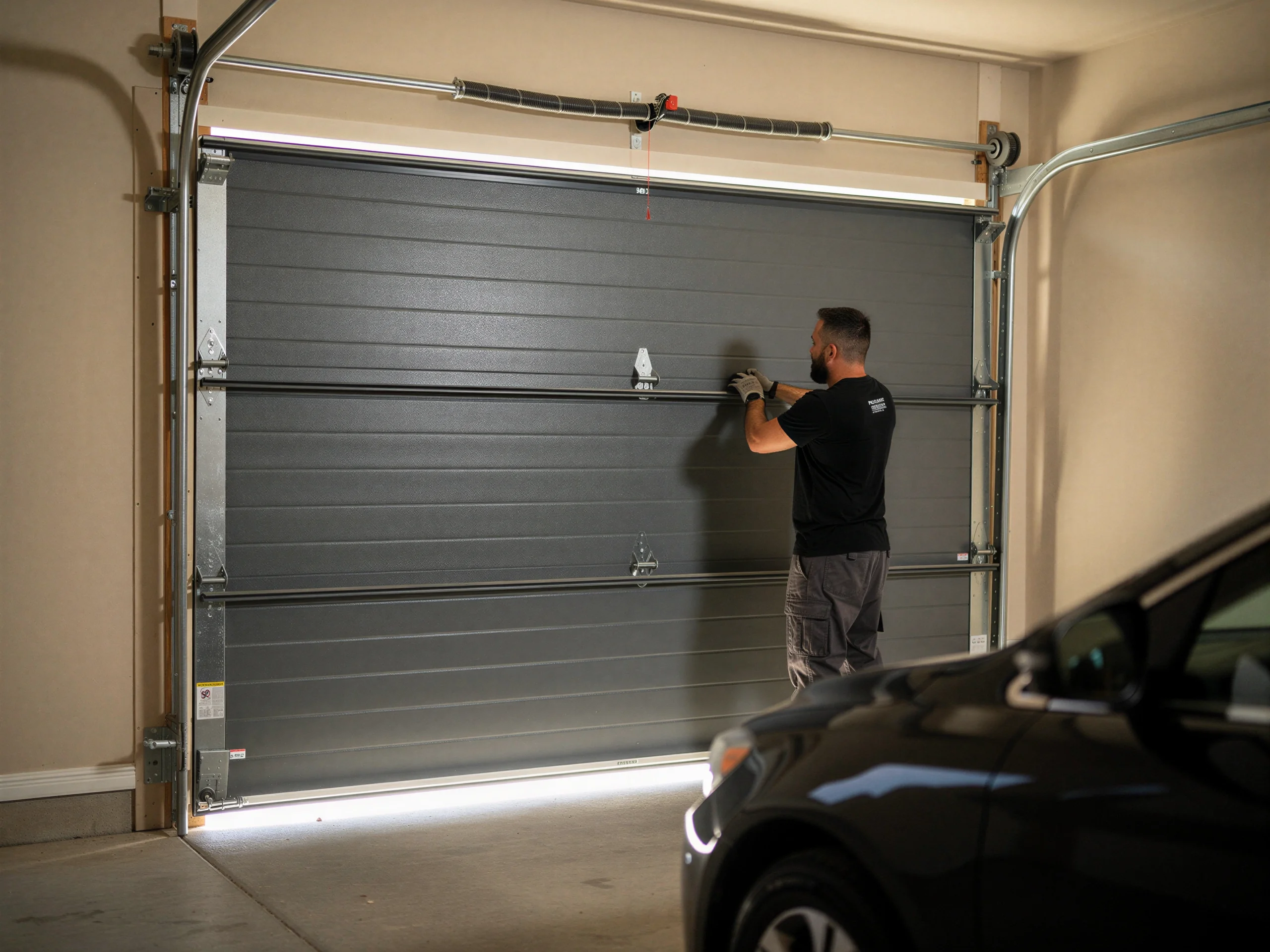
Garage Door Installation Built for Prior Lake Winters
New garage door installation in Prior Lake, MN, built for homes from 1964-2005 and Minnesota's cold winters. Learn more →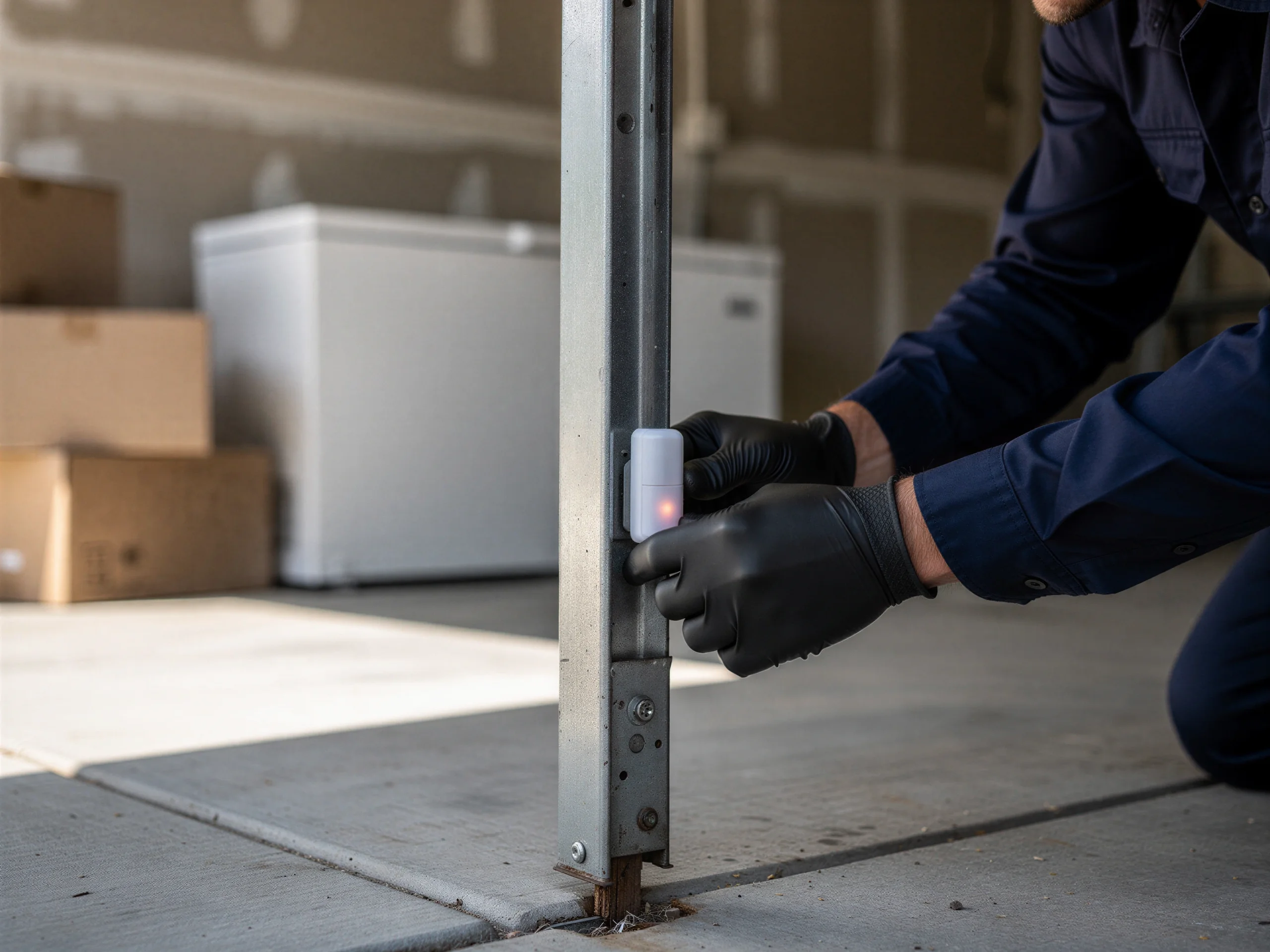
Garage Door Opener Repair Around Prior Lake
Opener repair for Prior Lake homes built mostly between 1964 and 2005, where cold winters strain gears, circuit boards, and sensors on aging openers. Learn more →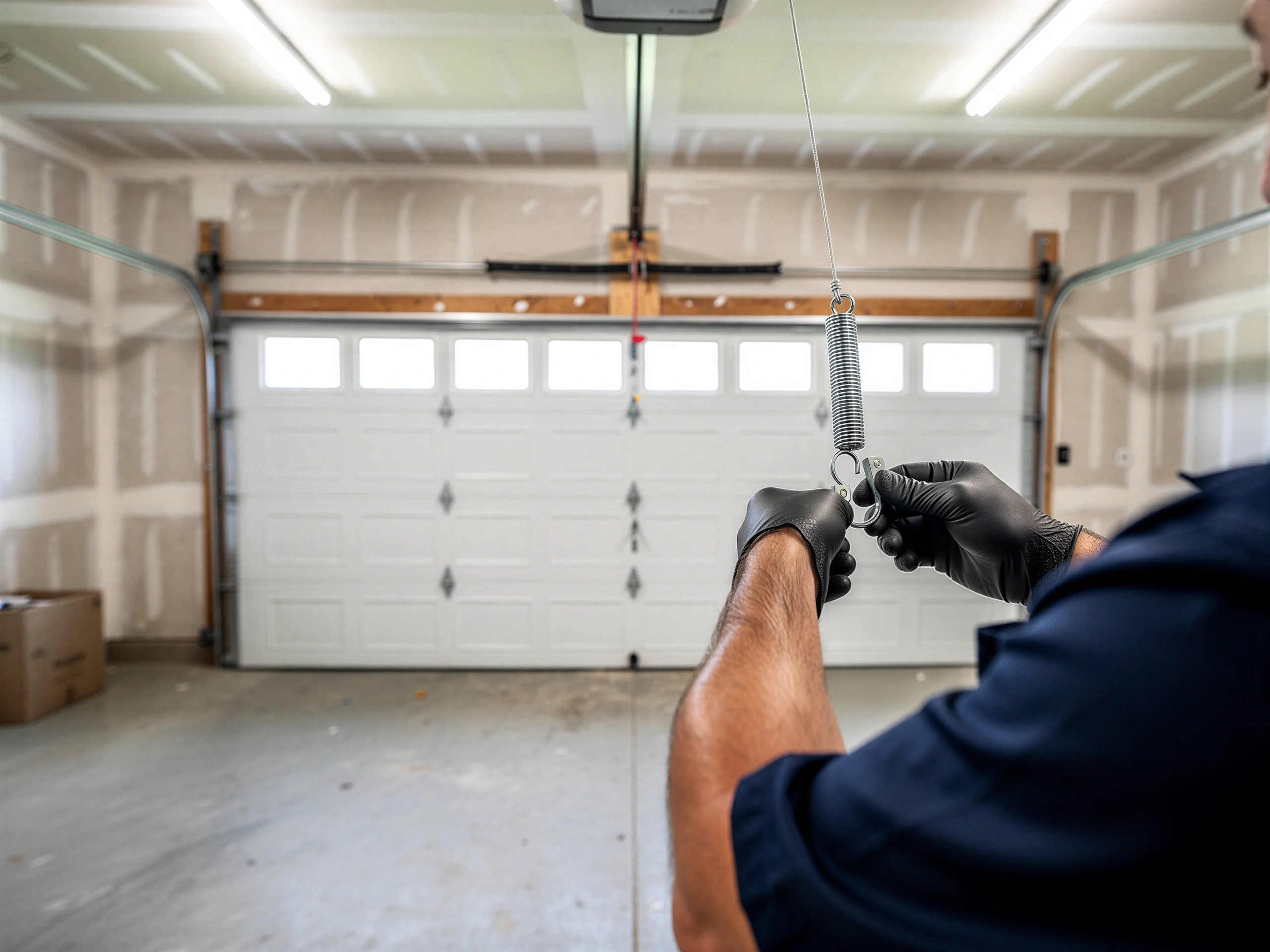
Garage Door Spring Repair Around Prior Lake
Broken torsion spring on a house built in the 1980s or 90s? Learn more →Ready when you are
Noisy or worn garage door rollers in Prior Lake?
Prior Lake Garage Door Pros repairs and installs garage doors, springs and openers in Prior Lake, MN and the surrounding area.