Local detail
The Common Mistake
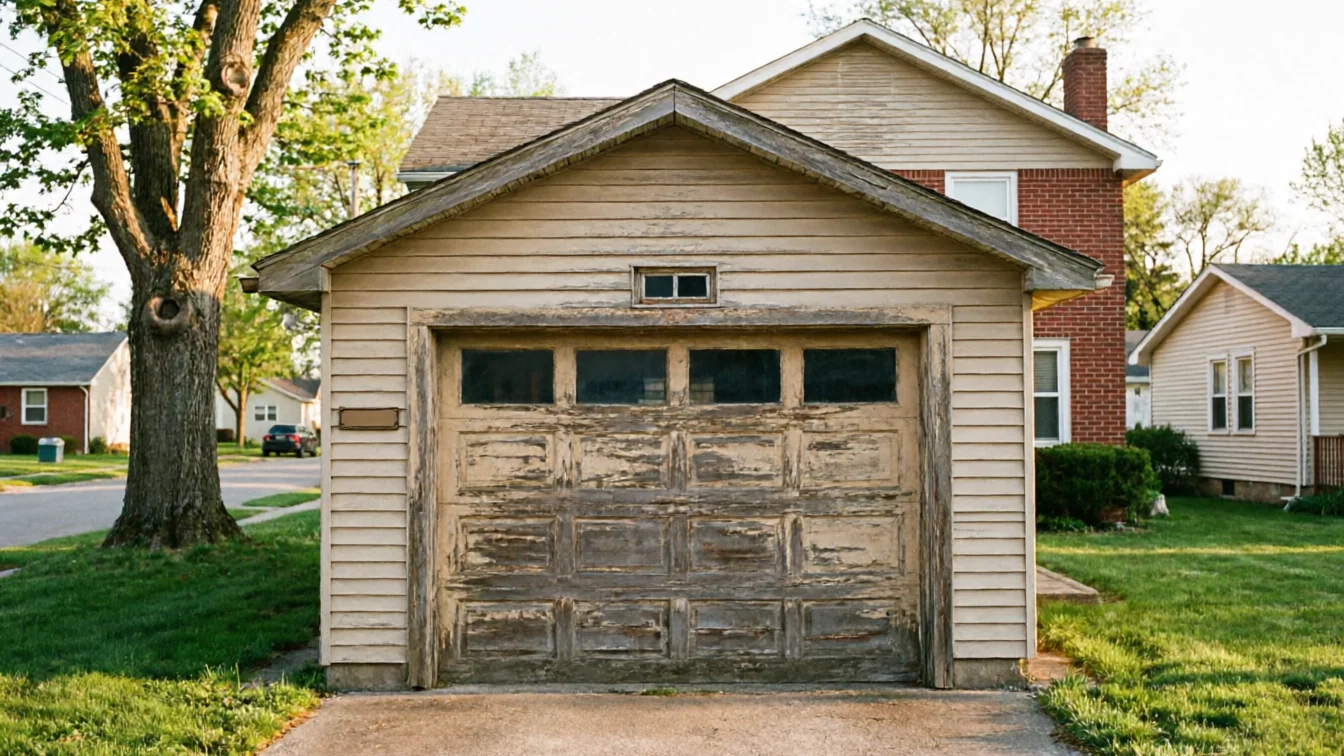
The mistake we see most in Prior Lake is someone weatherstripping a door that was never built to hold heat in the first place. Housing here runs 1964 to 2005, with the median build landing around 1989, and that date matters more than most homeowners realize. A door installed in 1989 met the standard of 1989. It has a thin steel skin, maybe a half-inch of polystyrene if it has insulation at all, and bottom seals designed for a milder sell than what this climate actually delivers. Adding a new weatherstrip kit to a 30-year-old uninsulated panel is like putting a storm door on a screen door frame. It helps at the gap, but the panel itself is still the problem. We'll install the seal if that's what you want, but we'll tell you up front it's not going to fix a cold garage. The honest fix on a door from that era is usually a new insulated panel section or a full replacement, not another round of foam tape.
The area
When to Call Someone
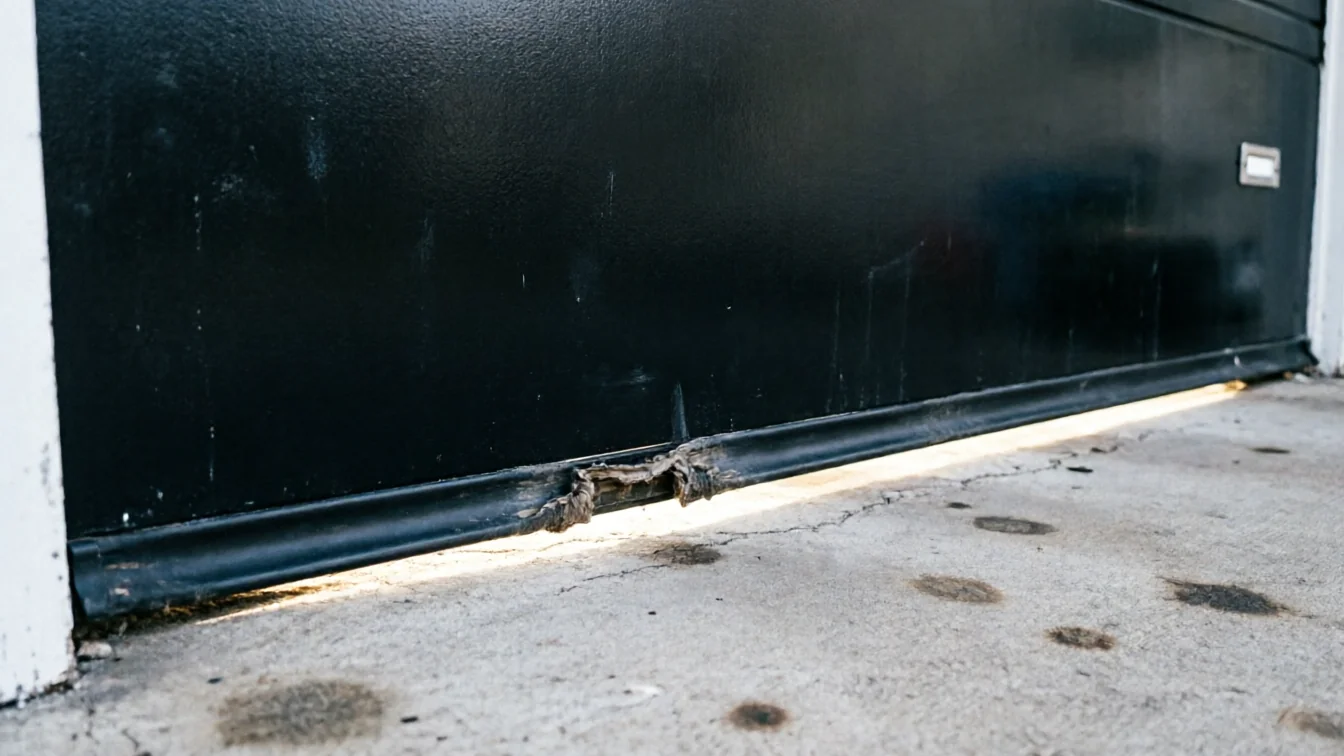
Call when the garage stays noticeably colder than the rest of the house even with the door shut, or when you can see daylight at the bottom seal on a still day. Those are signs the door itself, not just the weatherstrip, has given up. Also call if the door is original to a house built in the 1980s or 90s, which across the 27 communities we cover is the most common stock, since steel and springs from that period are nearing or past their working life regardless of how the door looks from the driveway. You don't need to call for routine noise or a slow roller; that's maintenance, not an emergency. But if cold air is pouring in around a panel edge in January, that's a door problem, not a sealing problem, and it's worth a real look before the next cold snap instead of after a spring breaks under the strain.
What we find
What Is Going On
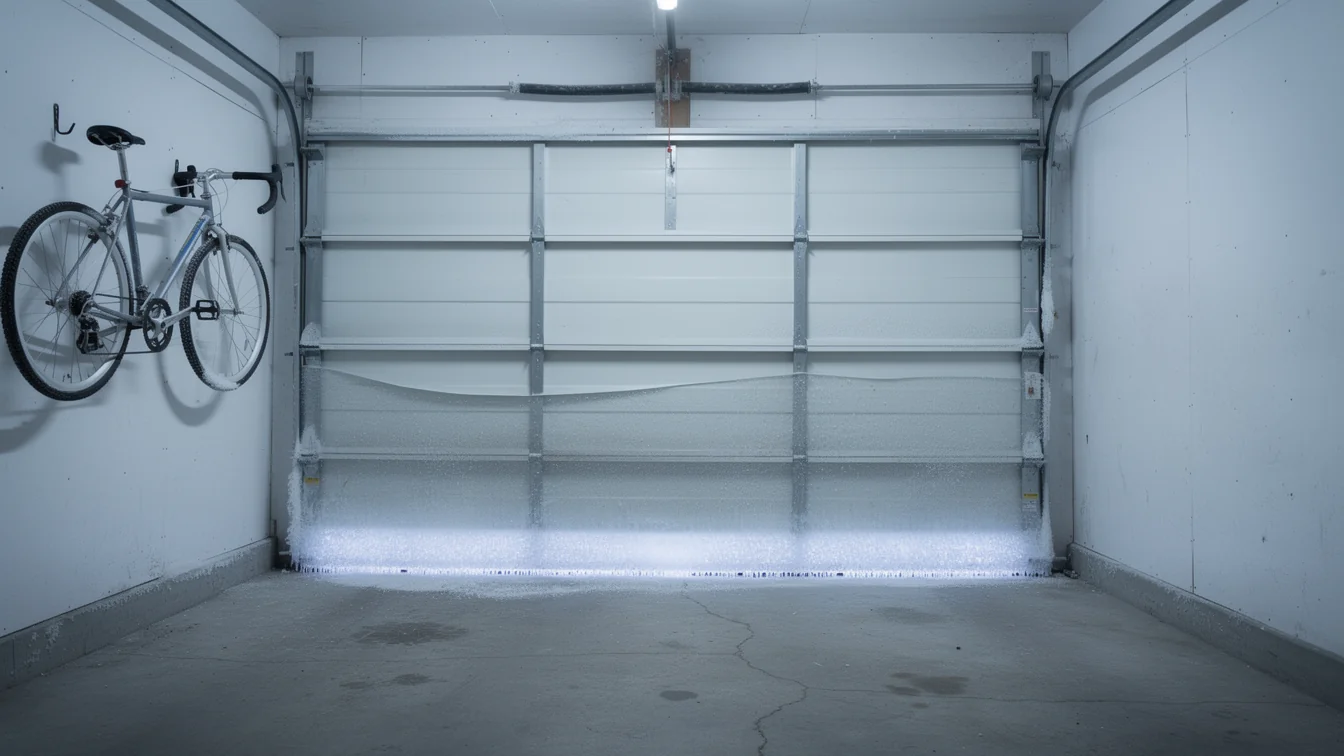
Garage door insulation standards changed well after most Prior Lake homes went up. With the median build year around 1989, a large share of doors in this market predate the thicker foam-core construction and tighter thermal break designs that became common later. That's not a flaw in the house, it's just a timeline mismatch: the house got built, the door that came with it met the code and the market of that decade, and nobody has swapped it since. The result is a panel that conducts cold straight through the steel, a slab door acting almost like a single pane of glass bolted to the opening. It's the same pattern across the area, whether the house sits near Jackson or out toward Elko New Market: a 1980s or 90s door, original hardware, and a garage that runs ten or fifteen degrees colder than it should for the amount of heat leaking through the wall it's attached to.
How we work
How Local Conditions Play In
Prior Lake sits in a cold-severe climate band, and that's the detail that turns an old door from a minor inconvenience into a real energy drain. A thin, uninsulated panel built to 1989 standards doesn't just feel cold, it loses heat fast enough to drag down the temperature of anything stored against the shared wall, and if the garage is attached, that cold radiates into the house side of that wall too. In a milder climate the same door might just be a mild annoyance. Here, with sustained sub-zero stretches part of a normal winter, the gap between an insulated door and a bare steel one shows up on the heating bill, not just at the thermostat. It also stresses hardware faster: cold steel contracts, torsion springs lose tension differently in deep cold, and an opener working against a door that's seized slightly from the cold has to pull harder every cycle. None of this is dramatic, it's just steady wear that an insulated, newer door handles better than a 35-year-old panel ever will.
Talk to a local pro
Garage door trouble in Prior Lake?
Same-day service with honest, upfront quotes.