
Minnetrista, Prior Lake
Garage Door Service for Minnetrista's Early-90s Housing Stock
Minnetrista homes built around 1993 run steel sectional doors on torsion springs with aging openers. We drive out from Prior Lake, 20 miles away, to fix them.
What the Fix Involves
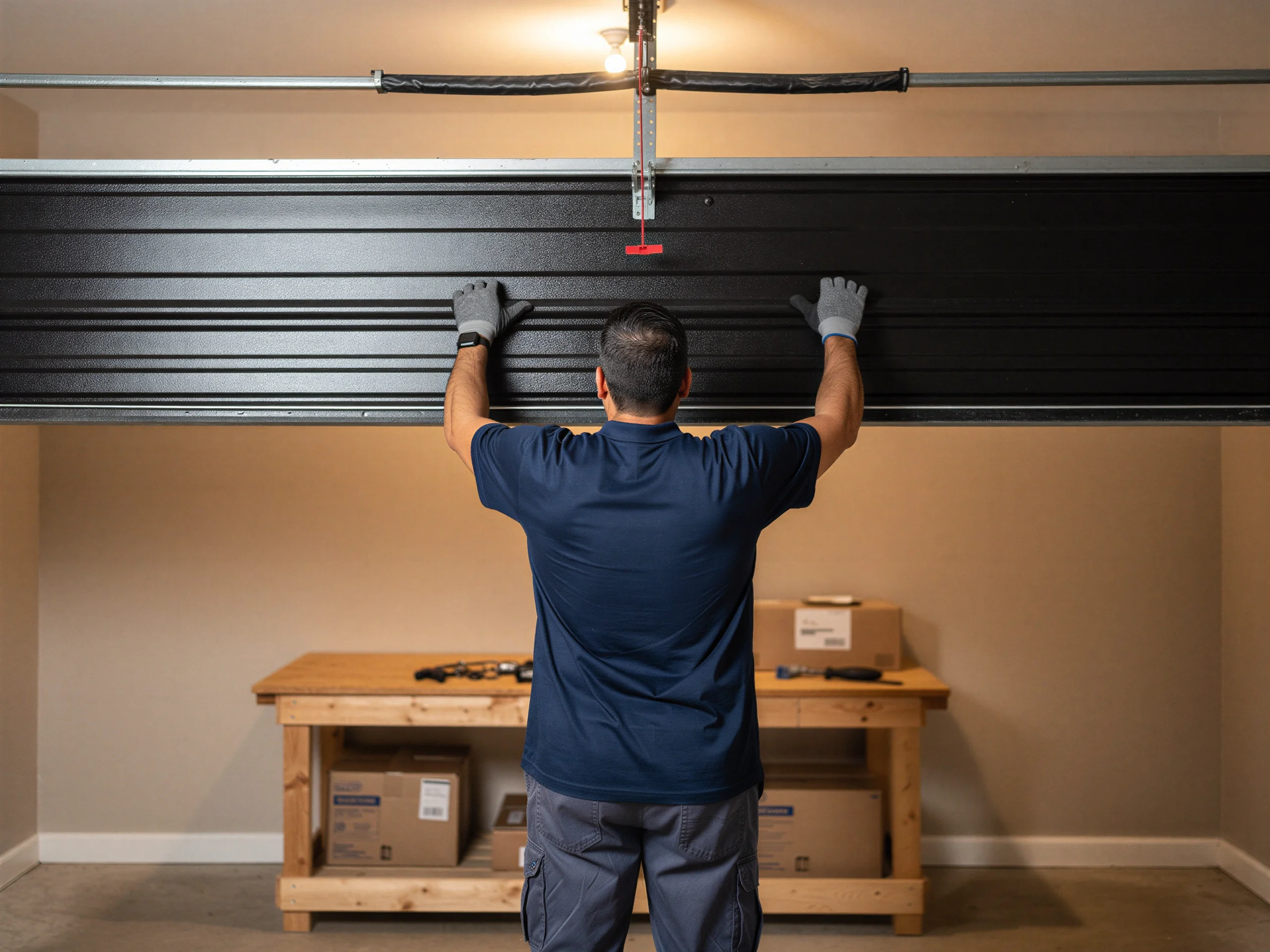
Most houses in Minnetrista went up around 1993, which puts you squarely in the steel sectional door era - no more wood panels, no more flimsy extension springs hung loose over the track.
Early-90s torsion standard
By the early 90s, torsion spring systems mounted on a shaft above the door were standard, and that's what we expect to find when we pull into a driveway here. The fix usually isn't exotic: a broken torsion spring, a stretched cable, rollers that have worn down to bare metal after thirty-some years of cycles.
Outdated opener drives
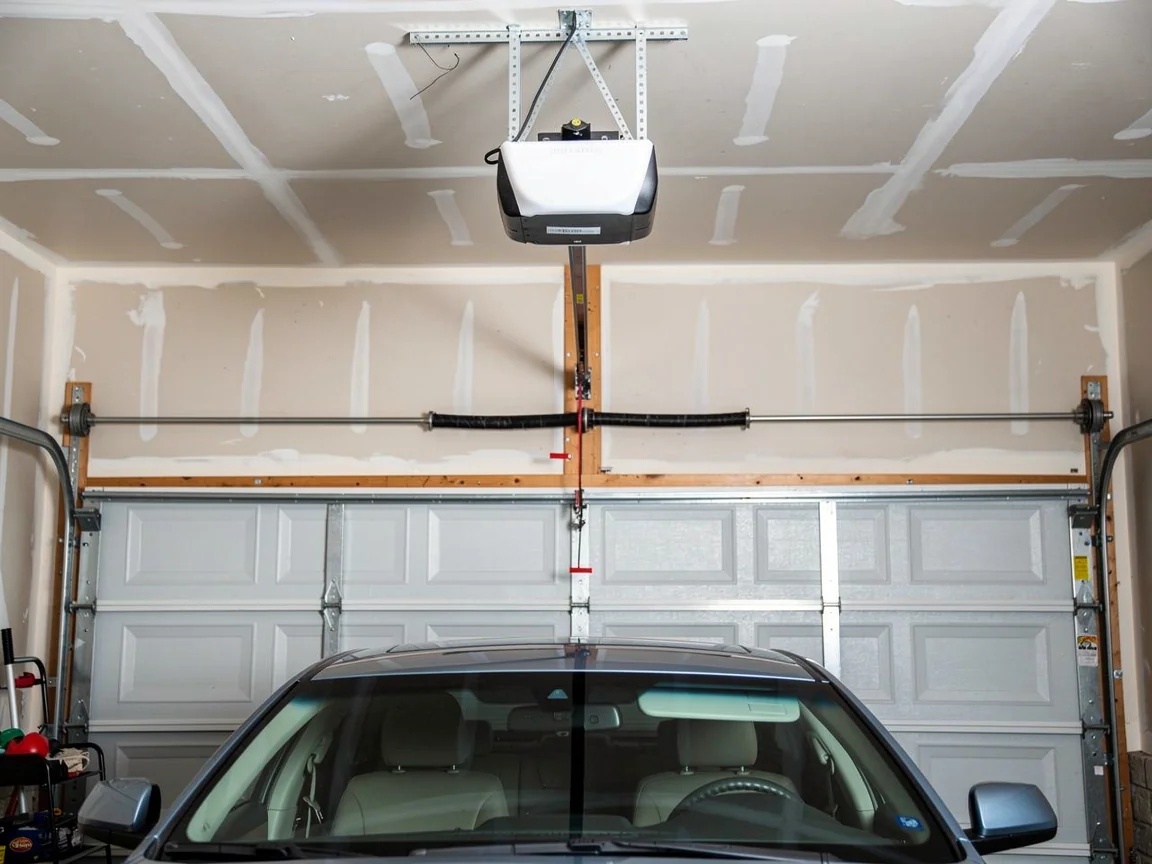
The opener is often the bigger question mark. A unit installed when the house was built is past any reasonable service life - chain or belt drives from that era run on drive systems and logic boards that don't match what's sold today, so a repair call sometimes turns into a straight swap.
Diagnosis before work
We'll tell you which one it is before we start work, not after. We travel out from Prior Lake, about 20 miles, so we bring what a torsion-spring, steel-door job from this build era actually needs rather than guessing on site and making a second trip.
The Complications
Minnetrista's winters sit in the same severe-cold band as the rest of this service area, and cold is hard on steel doors specifically - panels contract, seals stiffen, and a spring that was already fatigued from age snaps on the first sub-zero morning rather than giving warning. Houses built in the early 90s also tend to have garages that were never insulated to today's standard, so the swing in temperature inside the garage itself adds stress to hardware that a newer, better-sealed structure wouldn't see. The other complication is household size and use. With roughly 2,912 households in Minnetrista and a median income well above the wider service area's $125,344, a fair number of these garages hold two vehicles and see heavy daily cycling - that wears torsion springs and openers faster than a once-a-day single-car setup. None of this is dramatic.
Parts We Carry
We stock torsion springs sized for standard steel sectional doors, the kind that went into most Minnetrista garages when the neighborhood was built - that covers the bulk of what breaks on a house from this era.
Steel rollers and drums
We carry steel rollers, lift cables, and standard drums that fit 1980s-through-2000s torsion hardware, since that's what this part of the service area is mostly running.
Obsolete logic boards unstocked
What we don't carry on the truck is every obsolete opener logic board or a part for a door that's been modified with non-standard hardware over the years - if your opener is the original from 1993, we'll usually recommend replacement over chasing a part that's hard to source and not worth the wait. We'd rather tell you that up front than have you sit without a working door for a week waiting on a board nobody stocks anymore.
What Causes It Around Here
The pattern we see in Minnetrista traces straight back to the build year. Doors and openers installed when houses went up around 1993 are now at or past the point where springs fatigue, galvanized coatings wear through on rollers, and opener motors burn out from accumulated cycles - not from one bad event, but from three decades of ordinary use catching up at once. Add in a cold climate that stresses steel panels and hardware every winter, and a household income level that often means two cars and two daily cycles instead of one, and you get a specific failure profile: torsion springs going first, openers following a year or two later. It's a predictable sequence once you know the build era, which is why we ask when the house went up before we ask what's wrong.
Questions
Common questions
Why does my opener keep failing even though the door itself seems fine?
If your house was built around 1993, the opener is roughly that old too. Motors and logic boards from that generation are near or past their service life, and a worn gear or failing capacitor can mimic other problems. We check the opener separately from the door hardware so you're not replacing a part that isn't the actual cause.
Do you have a shop in Minnetrista?
No. We work out of Prior Lake and drive out to Minnetrista, about 20 miles, for service calls. There's no local branch or depot here - just a truck stocked for the torsion-spring, steel-door hardware common in this part of the service area.
Is it worth repairing a 30-year-old opener or should I replace it?
Depends what's failed. A worn drive gear or sensor is often a straightforward repair. A dead logic board on a unit this old usually isn't worth chasing, since parts for that generation are hard to source and the labor to track one down can cost more than a new opener.
Explore more
More Services in Minnetrista
Garage Door Repair
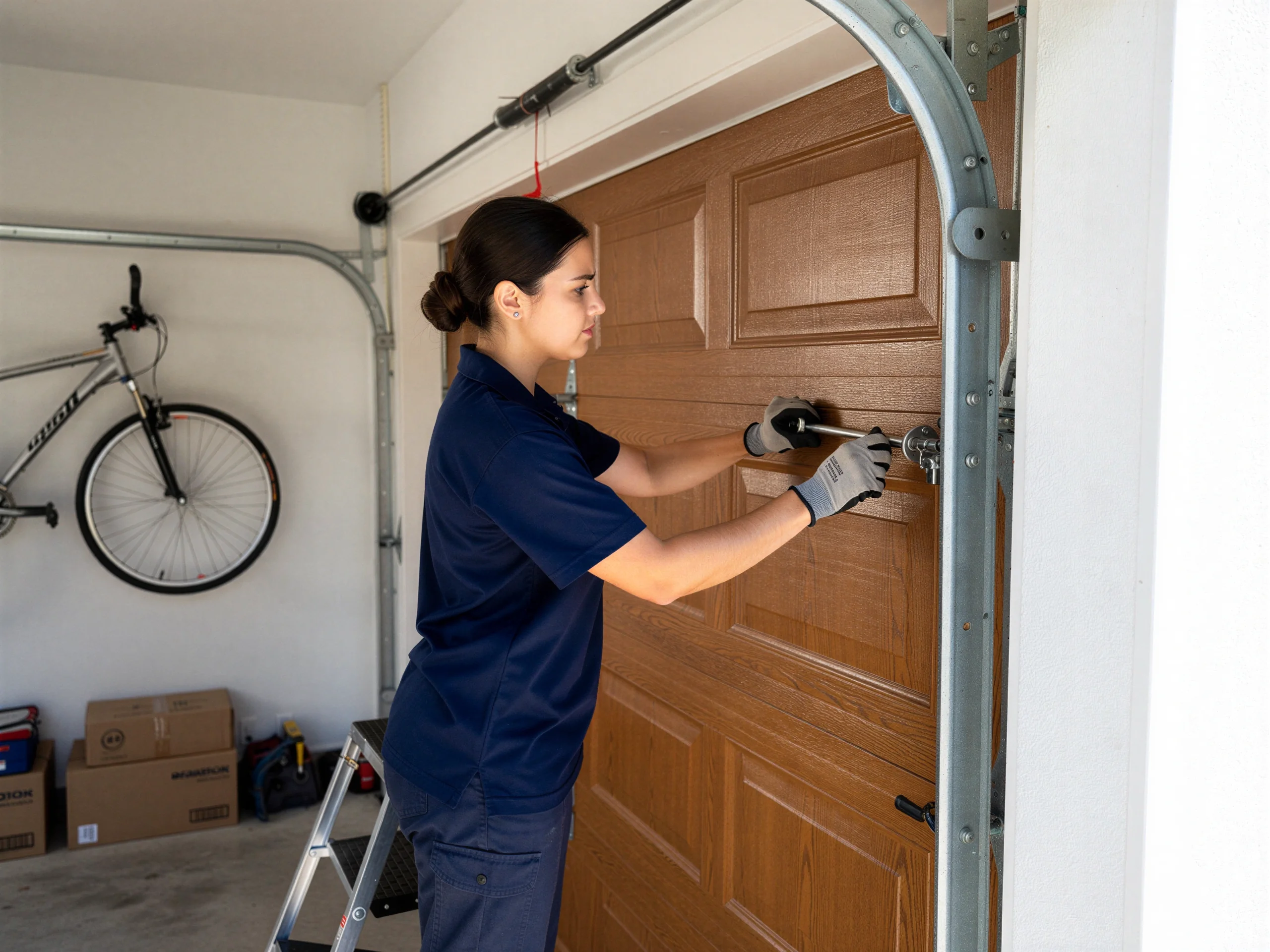
Minnetrista homes mostly date to the early 1990s, with steel sectional doors on torsion hardware now pushing 30 years old. Learn more →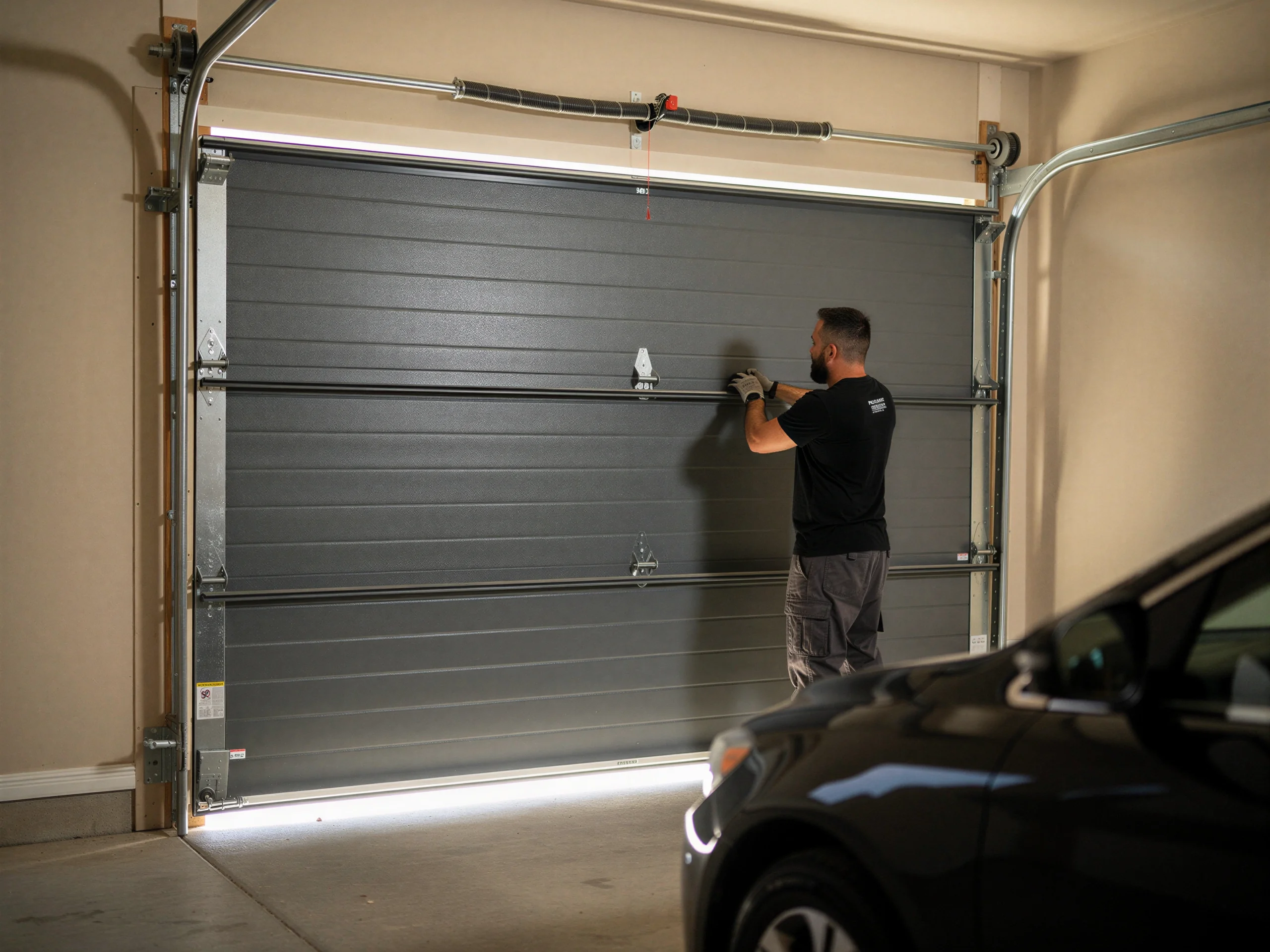
New Door Installation
Prior Lake Garage Door Pros installs new garage doors in Minnetrista, 20 miles out, matched to the 1990s housing stock and the cold winters this part of Minnesota gets. Learn more →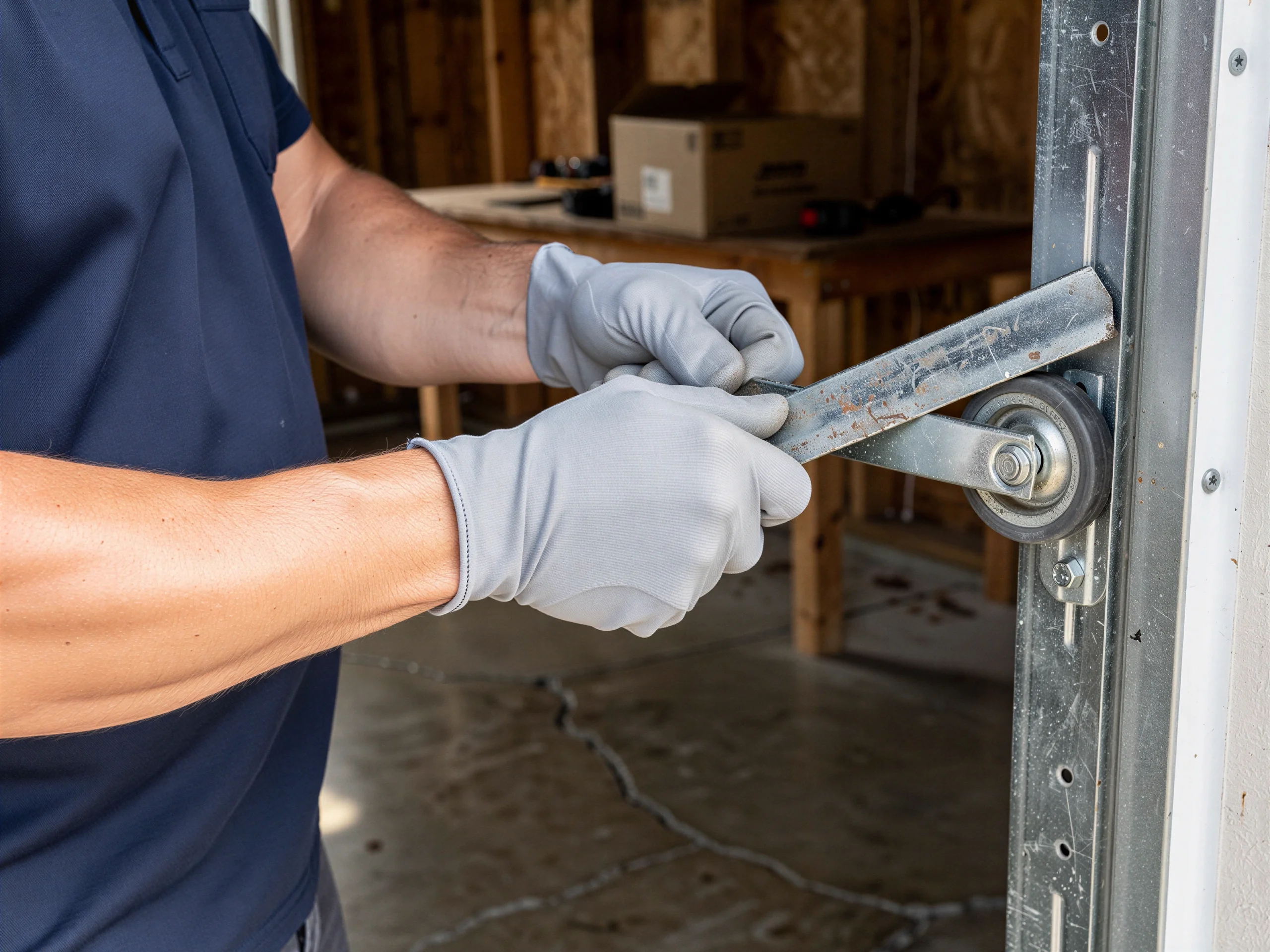
Off Track Repair
Minnetrista is a small market of about 2,912 households, mostly 1990s-built homes. Learn more →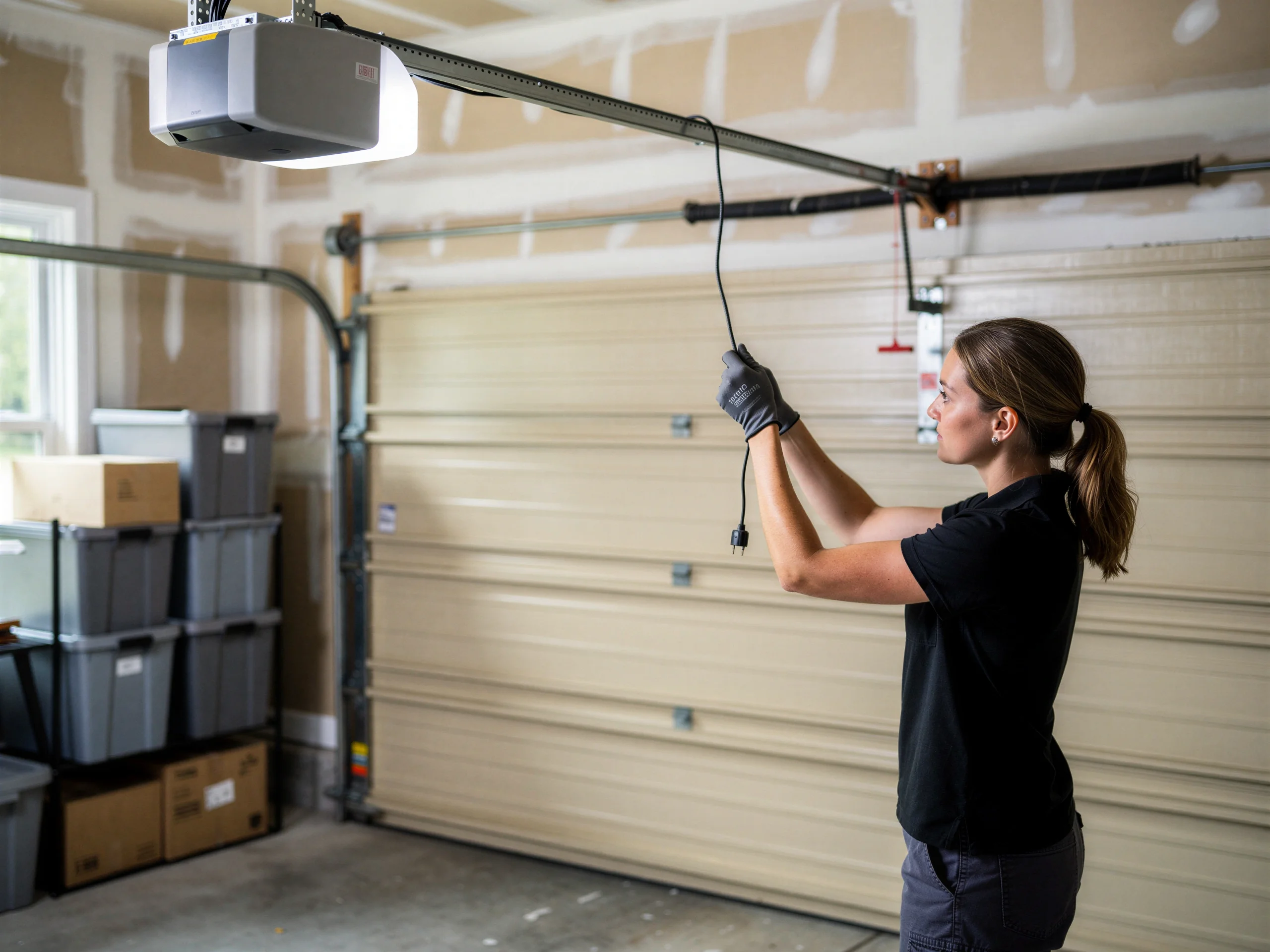
Opener Installation
Opener installs for Minnetrista homes built around 1993, driven out from Prior Lake. Learn more →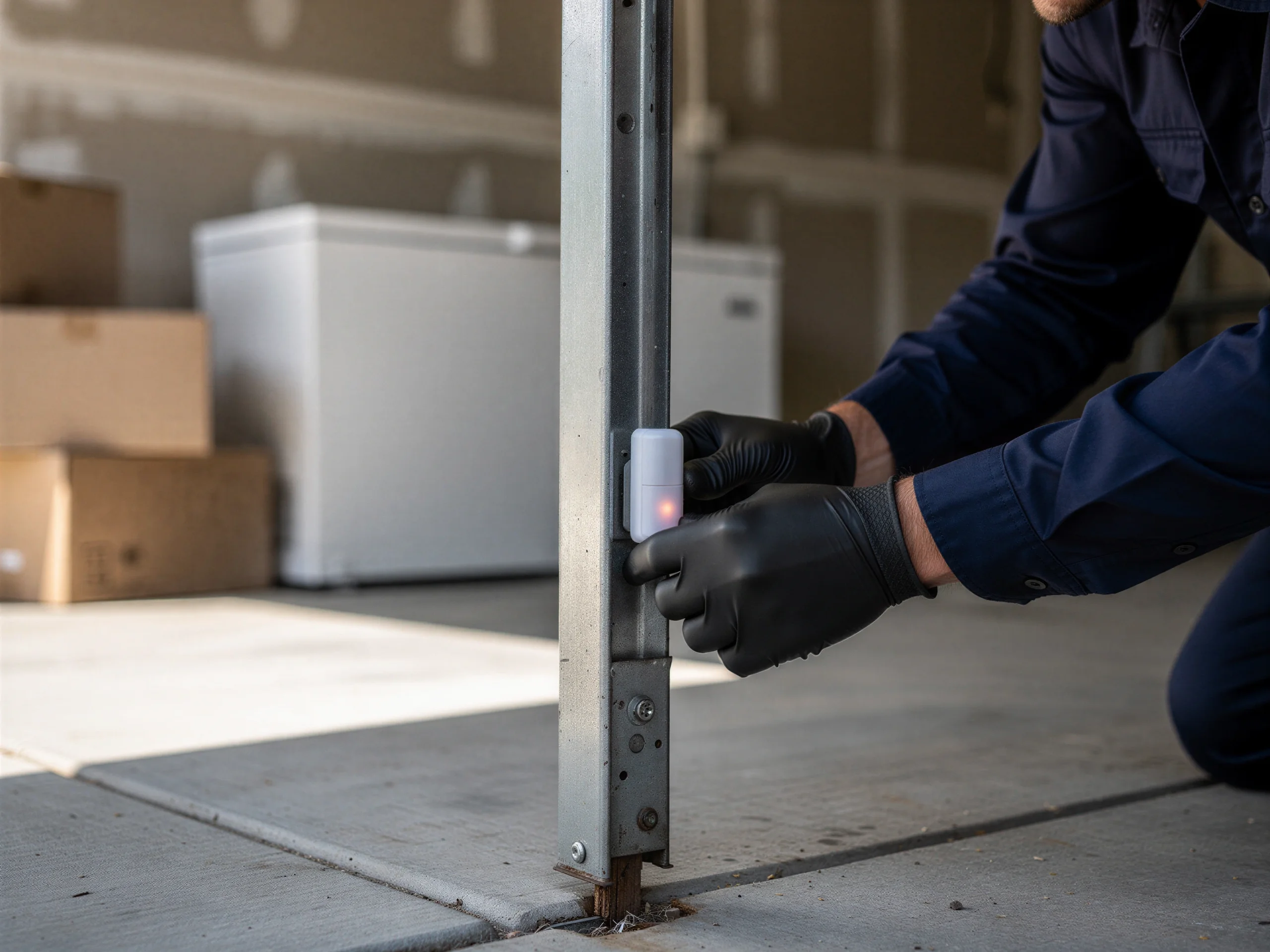
Opener Repair
Minnetrista homes run newer than most of our service area - median build year 1993. Learn more →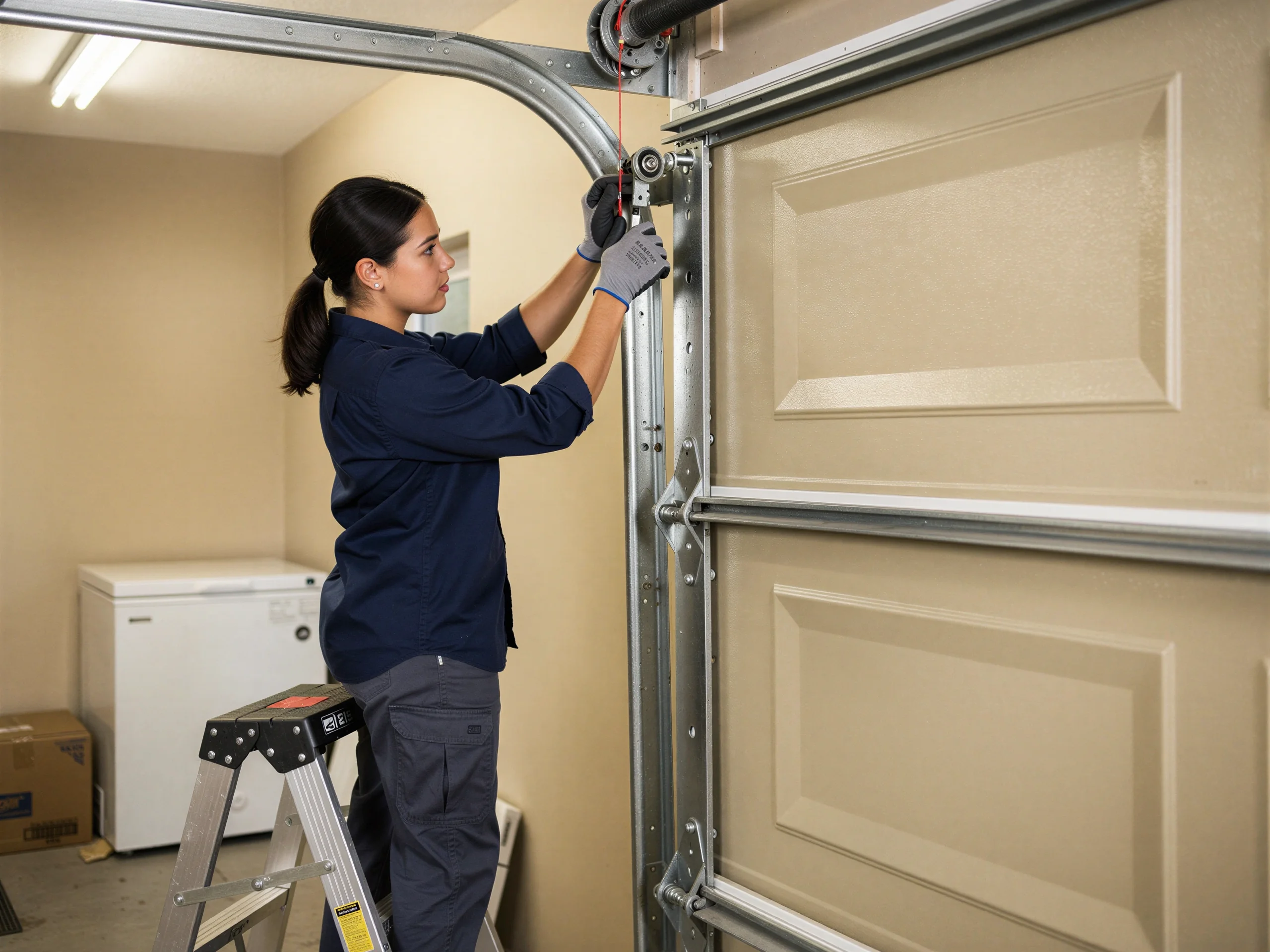
Roller Replacement
Builder-grade steel rollers from Minnetrista's early-90s construction wear fast in cold. Learn more →
Spring Repair
Spring repair for Minnetrista homes built around 1993, serviced from Prior Lake 20 miles out. Learn more →Ready when you are
Need garage door service in Minnetrista?
Prior Lake Garage Door Pros repairs and installs garage doors, springs and openers in Prior Lake, MN and the surrounding area.