
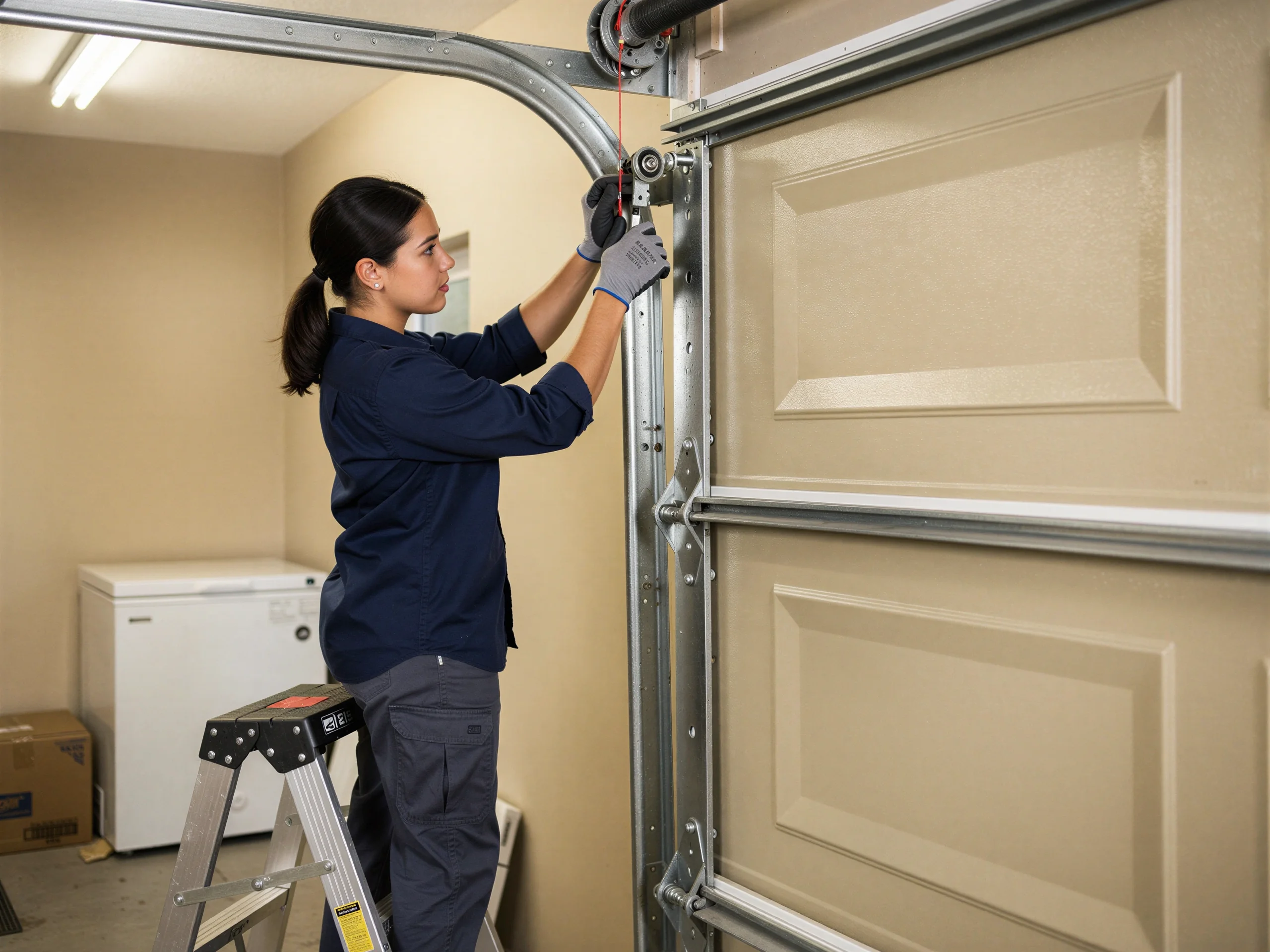
Golden Valley, Prior Lake
Roller Replacement for Golden Valley's 1960s Garage Doors
Golden Valley homes mostly went up around 1966, a generation before Prior Lake's own build boom. That gap changes which rollers wear out first and how we fix them.
Doing It Yourself
Golden Valley sits about 19 miles from our Prior Lake shop, and the houses here skew older than what we see closer to home. A lot of this area's stock went up around 1966, well ahead of the 1980s-90s wave that fills most of the rest of our service area.
Tight steel track gauge
That matters for rollers because a door built in the mid-60s often still runs on its original steel track, sized tighter than what you'll find on a newer build. Swapping rollers yourself on one of these older tracks is not the same job as a roller swap on a 1995 door.
Riveted hinges and taper
The track gauge can be narrower, the hinges can be riveted instead of bolted, and the stems on cheap replacement rollers won't seat right if the track has worn a slight taper over 50-plus winters. You can pull a single roller and inspect it safely with the door down and unplugged.
Forcing nylon into steel slot
What you shouldn't do is try to re-align a track that's shifted, or force a nylon roller into a slot cut for an older steel one. That's where a DIY job turns into a bent track and a bigger bill. If your door is sticking or binding on one side, that's your cue to stop and call rather than keep forcing it through the opener.
The Symptom
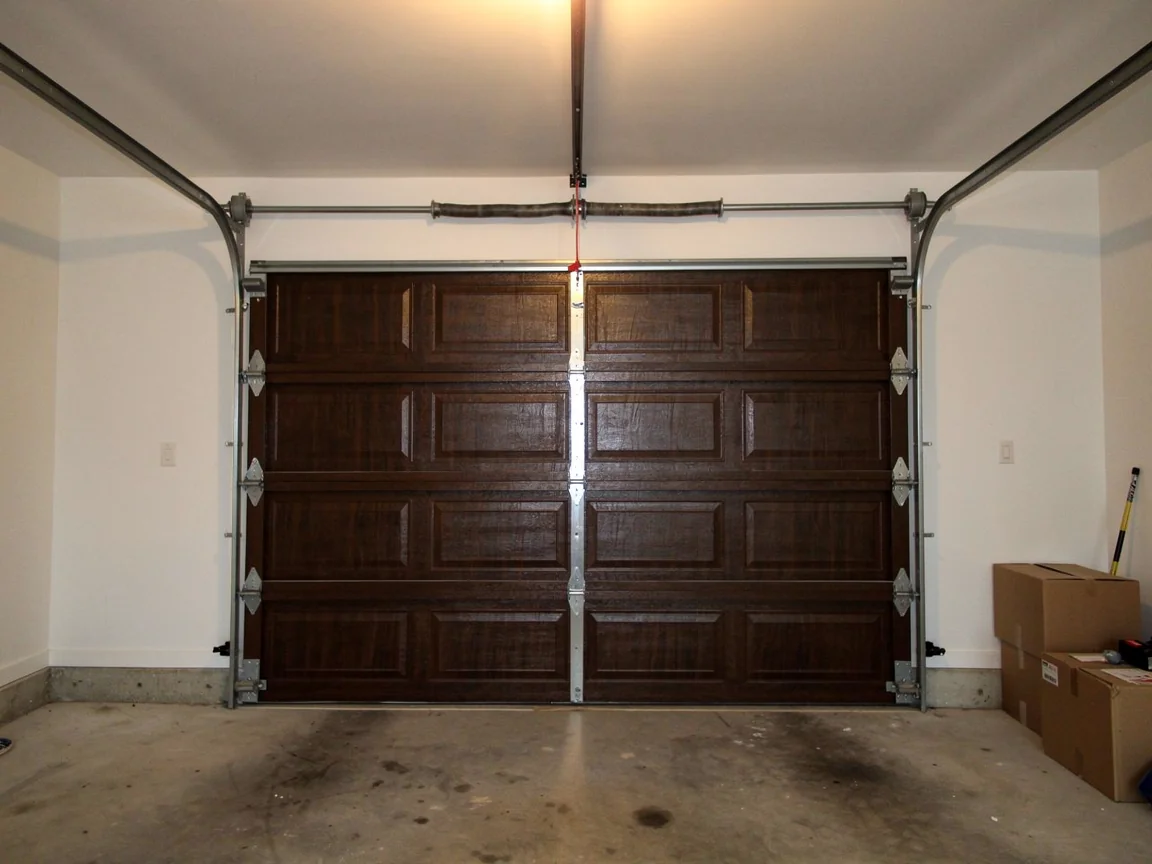
On a door from this era, the giveaway is usually noise before it's movement - a grinding or clicking as the door travels, loudest right where a roller rides past a worn spot in the track. Minnesota's cold-climate winters are hard on roller bearings generally, but on a door this old the steel rollers (if they haven't already been swapped once) seize up stiff below freezing and chatter the whole way up. If you've got nylon rollers already, listen for a flat-spot thump - one dull knock every rotation - which means a roller has worn unevenly and is about to crack. Either way, a door that used to glide and now catches partway up is telling you the rollers, not the opener, are the problem.
Parts We Carry
We stock sealed-bearing nylon rollers in the stem lengths that fit both the older narrow-gauge track common on houses from this period and the standard track used on newer builds across the rest of the service area. For a door still running on original steel rollers, we carry the drop-in nylon replacement that matches that stem size, so you're not stuck re-drilling a 60-year-old bracket. We don't carry every oddball roller size on the truck - if a door has non-standard hardware from a past DIY repair, that part may need a short lead time to get in. We'll tell you up front if that's the case rather than make you wait at the door.
What the Fix Involves
We pull the door down, release torsion-spring tension, and pop the roller brackets one at a time rather than dropping the whole door off the track - that keeps an older, heavier panel from racking out of square mid-job.
Gauge check before install
Each roller gets checked against the track gauge before it goes in, since on a house from the 1966 era the track may have narrowed slightly with age and a standard-width roller will bind.
Two-cycle drag check
Once the new rollers are seated, we run the door through a full open-close cycle twice, checking for drag at the spot where the old noise was coming from.
Bent track separate fix
If the track itself is bent or pitted from the old roller's wear, that's a separate repair - rollers alone won't fix a track that's lost its shape, and we'll say so instead of charging you for parts that won't solve it.
Questions
Common questions
Why do Golden Valley doors sound different from newer ones nearby?
A lot of Golden Valley's housing went up around 1966, well before the 1980s-90s wave that's more common elsewhere in our service area. Older doors often still have narrower track and, sometimes, original steel rollers, which grind and seize in cold weather differently than the nylon rollers on newer builds.
Do you keep a truck stocked near Golden Valley?
No - we run out of Prior Lake, about 19 miles away, and bring rollers and track parts with us on the job rather than keeping a separate stock near Golden Valley.
Can my rollers be replaced without replacing the whole door?
In most cases yes. Roller replacement is a bracket-by-bracket job that doesn't touch the panels themselves. The exception is if the track is bent or badly pitted - then the track, not just the rollers, needs attention first.
Will cold weather make this worse?
Yes. Minnesota's winters count as a severe cold climate, and steel roller bearings especially stiffen up and grind louder in deep cold. That's often when an already-worn roller finally fails.
Explore more
More Services in Golden Valley
Garage Door Service
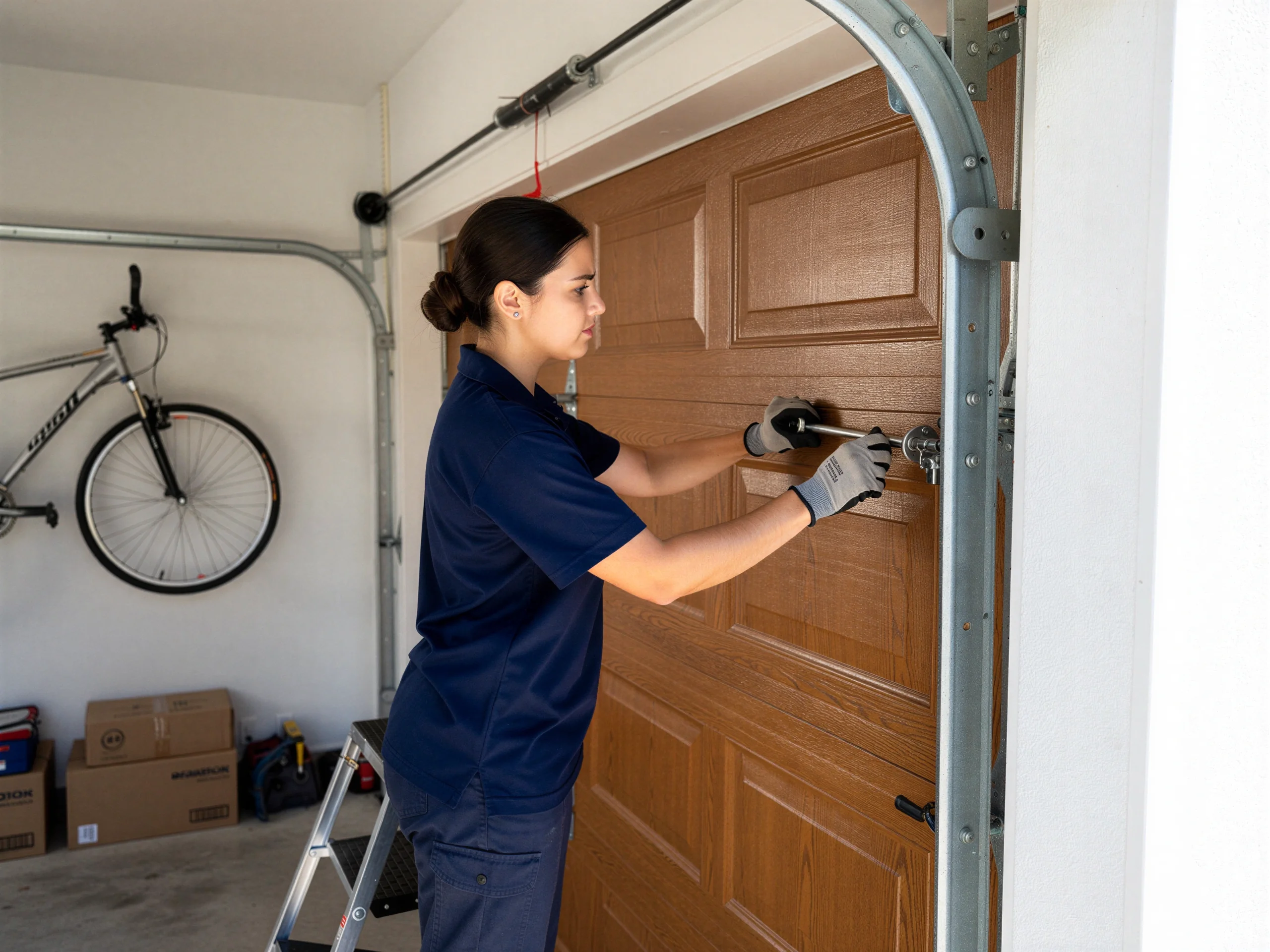
Garage door repair for Golden Valley's 1966-era housing stock, serviced from Prior Lake, 19 miles out. Learn more →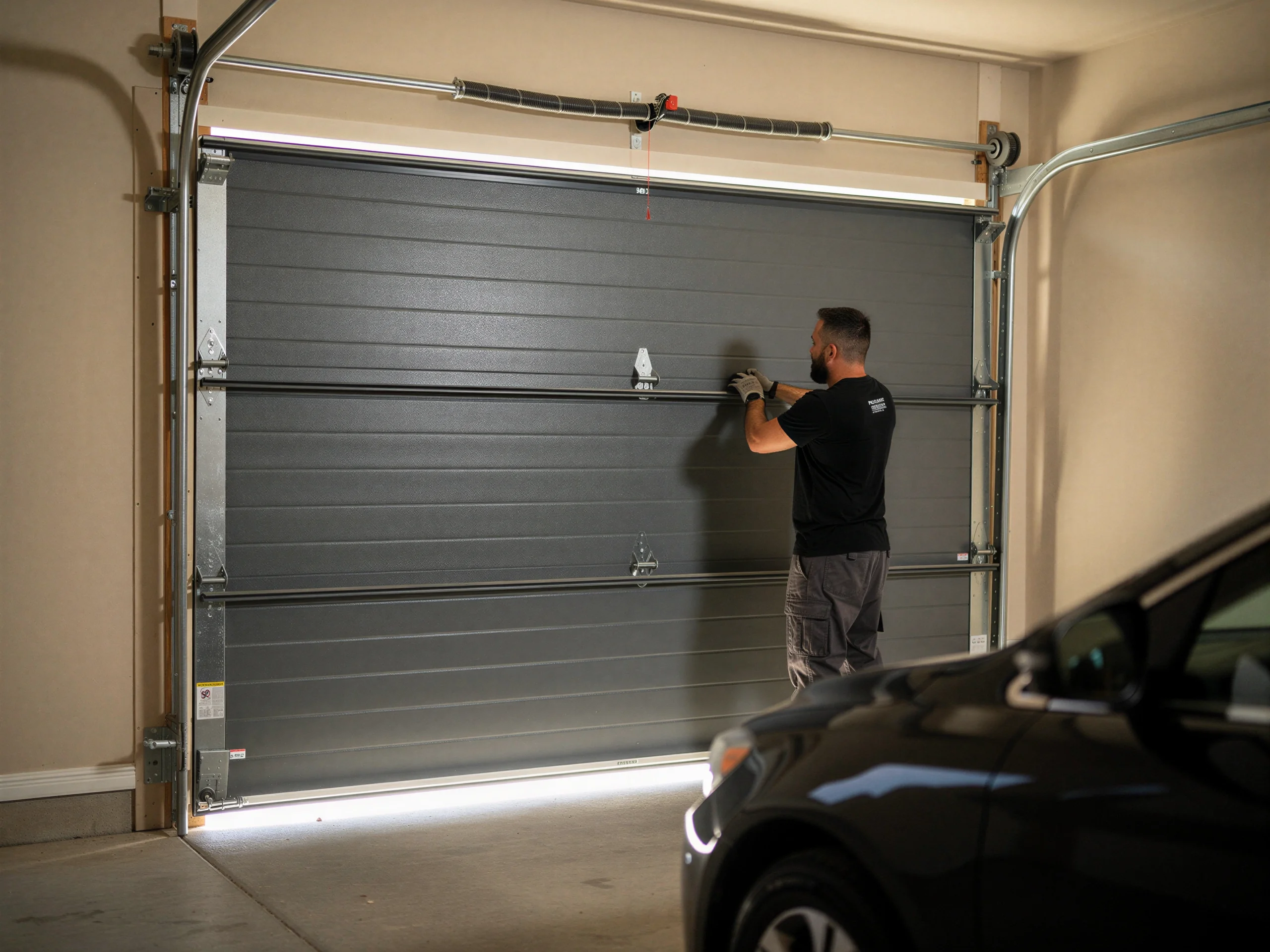
New Door Installation
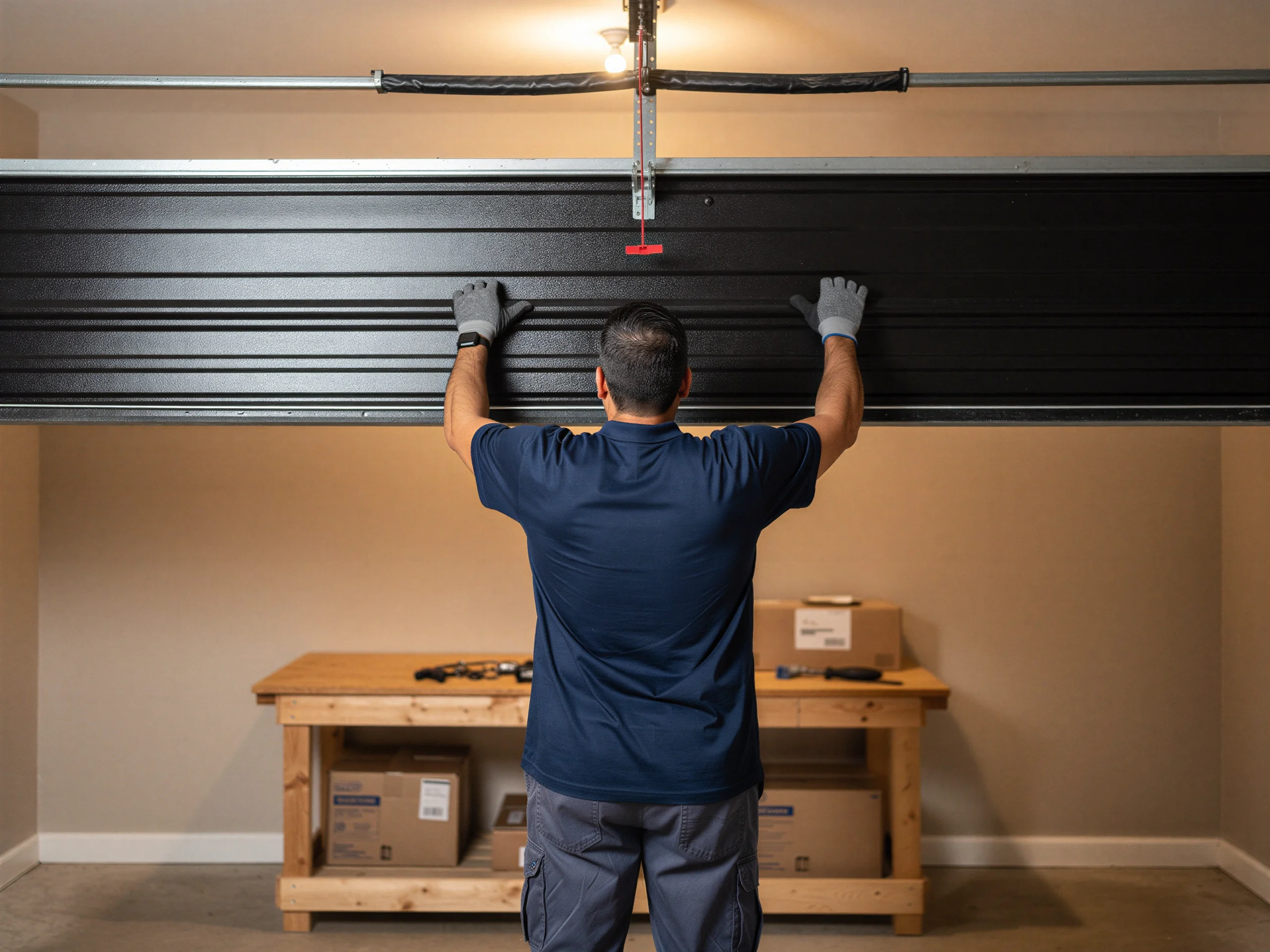
Golden Valley homes mostly date to 1966, decades older than the service area's median build year - meaning different door hardware for the install job here. Learn more →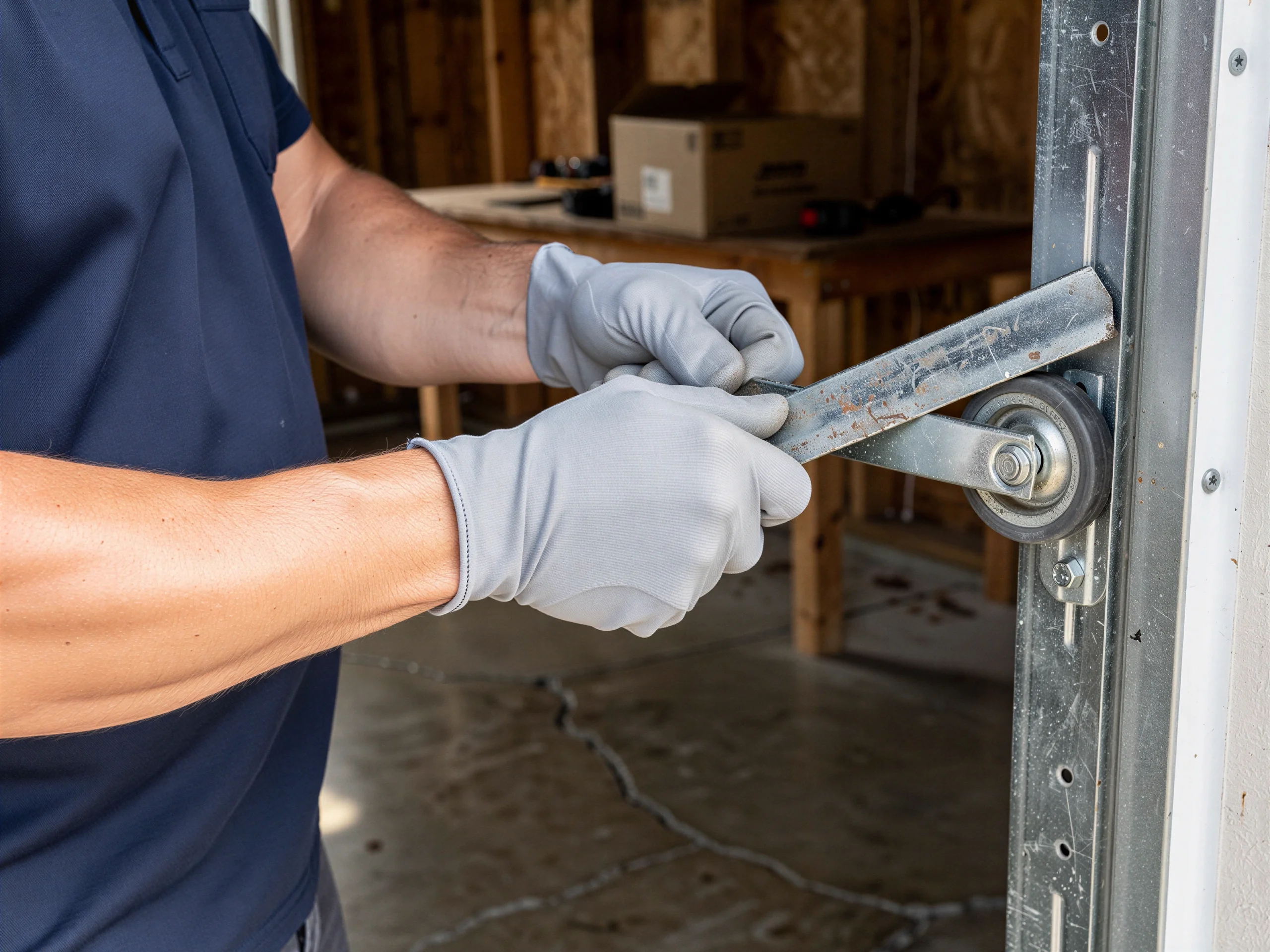
Off Track Repair
Golden Valley homes date mostly to 1966, and off-track doors here usually trace to original steel track worn thin after decades of cold-weather use. Learn more →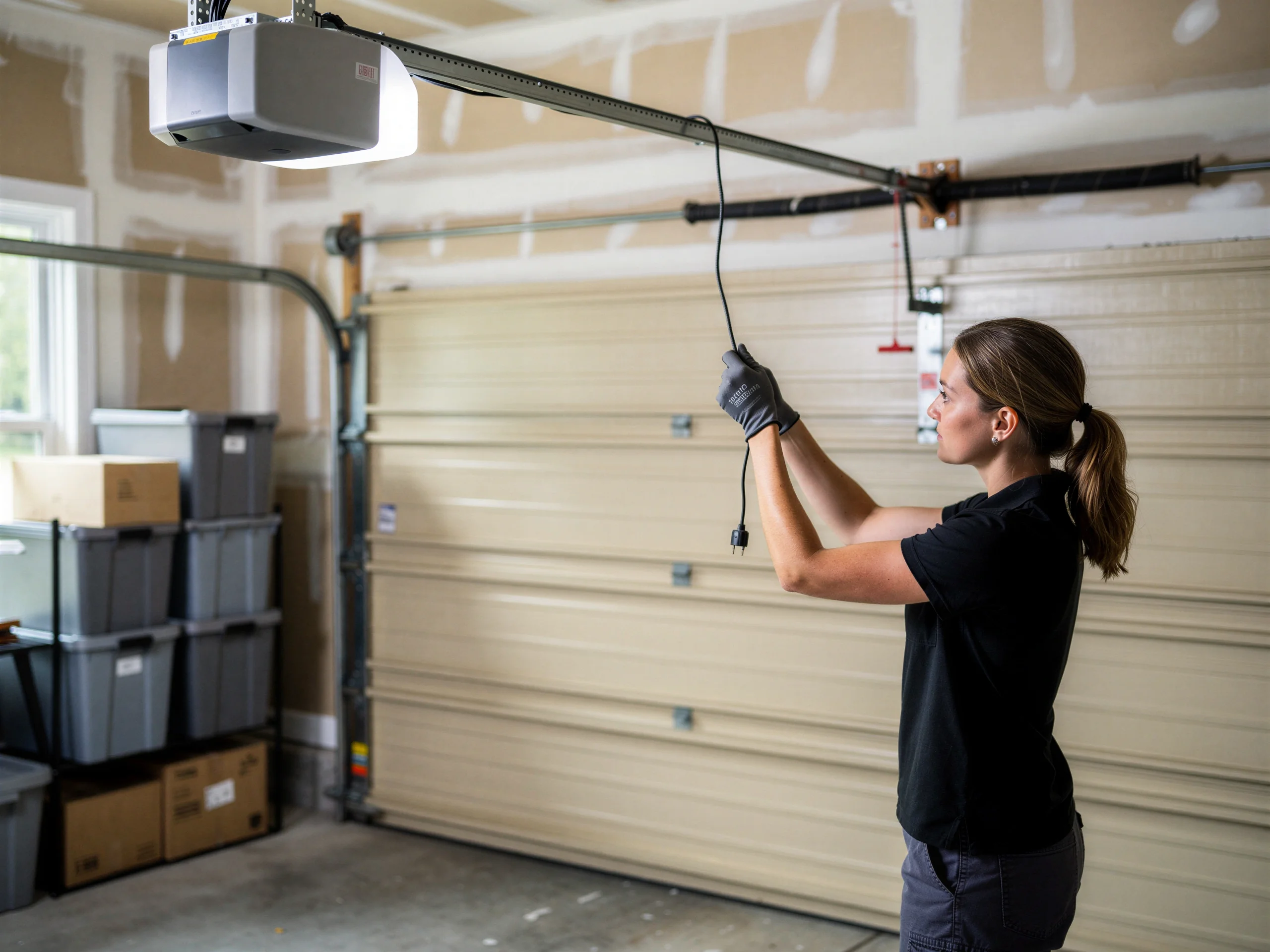
Opener Installation
Opener installs for Golden Valley's roughly 9,671 households, where 1966-era garages and nineteen miles of driving shape the job before we touch the bracket. Learn more →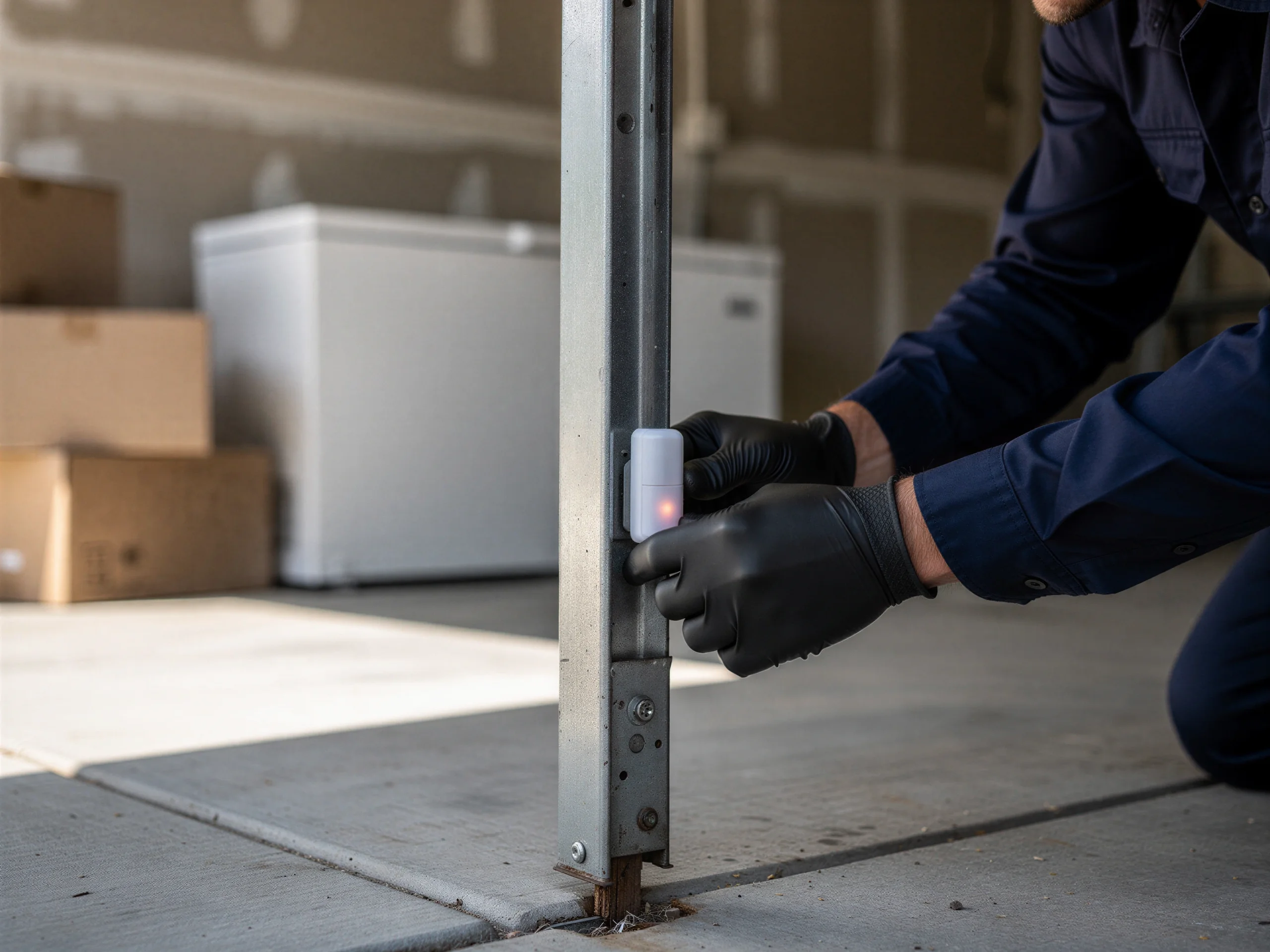
Opener Repair
Golden Valley's housing dates to 1966 on average, older opener gear than newer suburbs. Learn more →
Spring Repair
Golden Valley homes mostly date to 1966, older than the wider service area. Learn more →Ready when you are
Noisy or worn garage door rollers in Golden Valley?
Prior Lake Garage Door Pros repairs and installs garage doors, springs and openers in Prior Lake, MN and the surrounding area.